

Pakistan leads behind-the-scenes push for US-Iran ceasefire
Kamran Khan highlights Pakistan’s growing global influence through strategic peace talks

News Desk
The News Desk provides timely and factual coverage of national and international events, with an emphasis on accuracy and clarity.
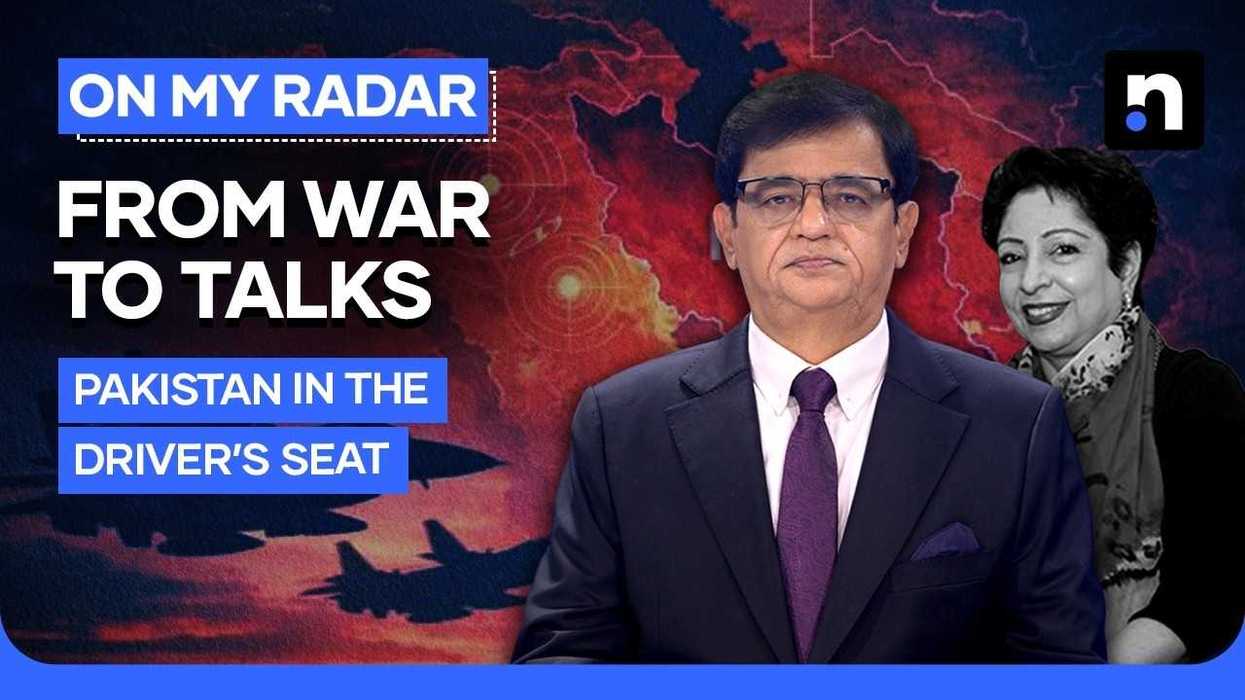
Pakistan is quietly spearheading a peace initiative aimed at ending weeks of hostilities between the United States and Iran, according to reports and officials cited during Kamran Khan’s “On My Radar” program.
Kamran Khan said the effort, led by Chief of Defense Staff Field Marshal Asim Munir, involved multiple overnight negotiation sessions between Islamabad, Tehran, and Washington. Reuters reported that Pakistan has drafted a ceasefire plan, dubbed the “Islamabad Agreement,” which is now under review by top leaders in both the U.S. and Iran.
The initial stage of the agreement proposes an immediate ceasefire and the reopening of the Strait of Hormuz, a critical global energy route. A second phase envisions a comprehensive peace accord within 15 to 20 days, with Iran agreeing to limit its nuclear program and forgo weaponization. In return, sanctions relief, release of frozen assets, and a regional security framework could be offered.
Sources told Reuters that Field Marshal Munir maintained continuous communications with U.S. Vice President JD Vance, Iranian Foreign Minister Abbas Araqchi, and U.S. President Donald Trump’s special adviser Steve Witkoff. The discussions were described as a structured peace push rather than informal diplomacy.
A Pakistan Foreign Office spokesperson confirmed to Al Jazeera that reports of a 45-day ceasefire offer and exchange of 15 points are circulating but declined to comment on specific matters. Iranian officials acknowledged receiving Pakistan’s peace plan but indicated they would not accept a strict deadline or pressure. Tehran has also so far refused to reopen the Strait of Hormuz in exchange for a temporary truce.
President Trump extended a U.S. ultimatum to Iran by one day amid the ongoing negotiations. He told Axios that direct talks between the U.S. and Iran had been close to an agreement days earlier, but Iran requested a five-day delay. Trump indicated in an interview with Fox News that he expected a deal with Iran by Monday.
Kamran Khan described Pakistan’s role as a critical backchannel, aiming to provide a diplomatic “off-ramp” amid growing international pressure for a ceasefire. He said Pakistan has gained influence due to high-level engagement with both Washington and Tehran, intelligence cooperation, and coordination with Saudi Arabia.
The episode highlighted Field Marshal Munir as central to the negotiations, noting Trump has referred to him as his “favorite field marshal.” Munir previously engaged with Trump during the World Economic Forum in Davos and has been in multiple direct talks with U.S. officials since the conflict began.
Pakistan’s emerging diplomatic prominence also involves strategic alignment with China, which has provided a diplomatic cover following tensions with India in May 2025. Observers note that the Islamabad-led initiative could represent a rare global breakthrough in de-escalating conflict and securing energy routes.
“Pakistan’s leadership in these efforts marks a historic moment in its global standing,” Kamran Khan said. “The stakes are high, and the process remains delicate, but the potential payoff is significant for regional stability.”

Comments
See what people are discussing