

Pakistan petrol price falls nearly PKR 40 per liter as global oil prices decline
Petrol becomes 10.6% cheaper and diesel falls 7.9% since October 31 as easing US-Iran tensions push international crude prices lower

Business Desk
The Business Desk tracks economic trends, market movements, and business developments, offering analysis of both local and global financial news.
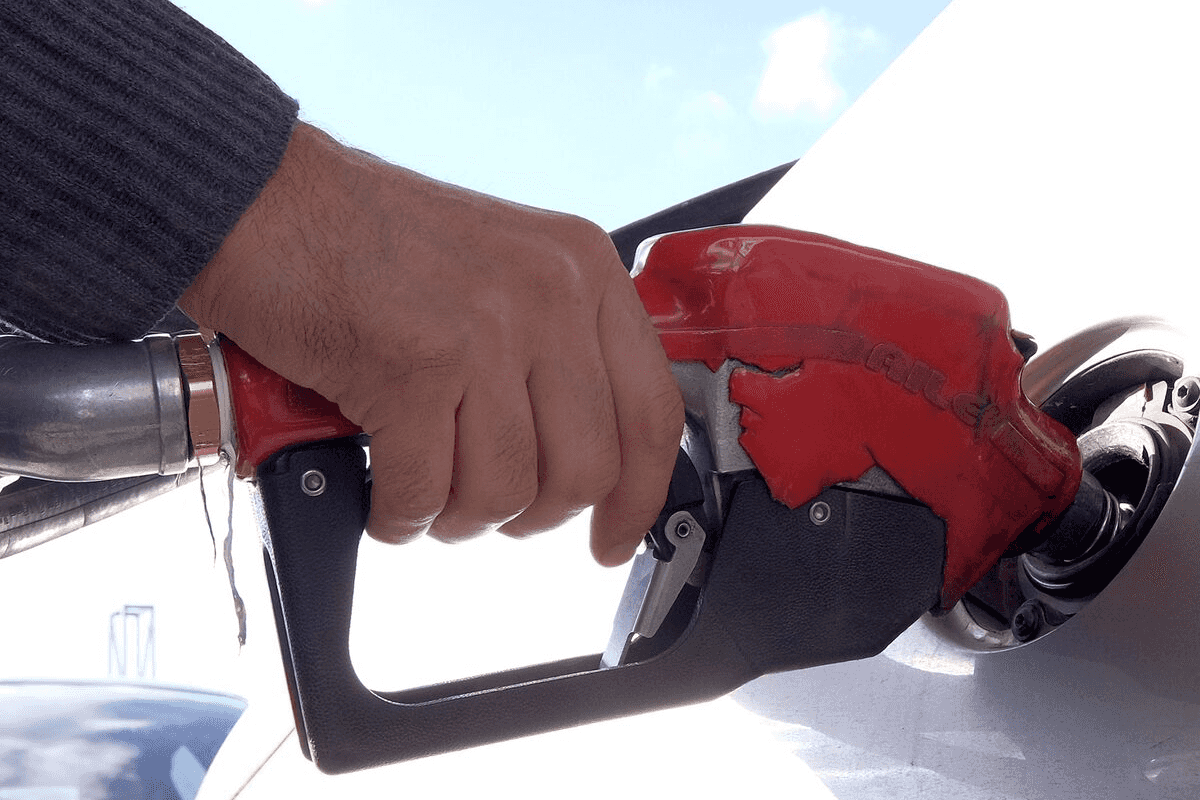
Petrol fell to PKR 338 per liter on November 11 from PKR 377.91 on October 31, a reduction of PKR 39.91.
Pakistan's petrol and high-speed diesel (HSD) prices have declined substantially since the end of October, with petrol becoming 10.6% cheaper and diesel falling 7.9%, as international oil prices retreated amid expectations of easing tensions between the United States and Iran.
The reductions come alongside changes to the government's petroleum pricing mechanism, which shifted part of the financial burden associated with higher petrol import costs onto domestic refineries.
How much have petrol and diesel prices fallen?
Petrol fell to PKR 338 per liter on November 11 from PKR 377.91 on October 31, a reduction of PKR 39.91. High-speed diesel declined to PKR 371 per liter from PKR 402.96 during the same period, representing a reduction of PKR 31.96, according to notified fuel prices.
The latest government notification reduced petrol prices by PKR 8 per liter from PKR 346 and diesel prices by PKR 7 from PKR 378, effective November 11.
The reductions followed several price revisions during the first 10 days of November as international petroleum markets recorded a sharp correction following weeks of volatility.
How have international crude oil prices changed?
Benchmark Brent and West Texas Intermediate (WTI) crude prices declined sharply between October 30 and November 10 as expectations of easing geopolitical tensions reduced concerns over prolonged disruptions to global oil supplies.
Brent crude futures for January delivery fell to USD 91.49 per barrel on November 10 from USD 113.43 on October 30, a decline of approximately 19.3%.
WTI crude futures for December delivery declined to USD 86.04 per barrel from USD 104.12 over the same period, representing a drop of approximately 17.4%.
The decline followed a period of rising international oil prices in October, when concerns over supply disruptions and threats to shipping through the Strait of Hormuz had pushed crude benchmarks higher.
Market sentiment improved after US President Donald Trump played down the need for further military action against Iran, raising hopes that the conflict could move toward de-escalation.
Expectations of progress toward a diplomatic settlement reduced concerns about prolonged disruptions to oil-producing countries and shipping routes in the Middle East.
However, uncertainty remains over the prospects for a negotiated settlement, with Iranian officials denying that talks with Washington were underway.
How has the government's pricing mechanism affected refineries?
The decline in local fuel prices has also come amid changes to the government's petrol pricing mechanism introduced on October 31.
Under the revised arrangement, the import price of petrol is calculated using actual Pakistan State Oil (PSO) cargo costs, while domestic refineries receive an ex-refinery price based on premiums, incidental costs and customs duties fixed at their March 7, 2026, levels for an initial period of 30 days.
The difference between the applicable import price and the revised ex-refinery price must be surrendered by domestic refineries under the petroleum levy account.
At the time the arrangement was introduced, the calculated ex-refinery petrol price had increased by PKR 15.13 per liter. However, a PKR 14.71-per-liter adjustment through the refinery petroleum levy mechanism, alongside a PKR 0.42 reduction in the inland freight equalization margin, kept the retail price unchanged at PKR 377.91.
The government's notified petroleum levy remained PKR 80 per liter, with PKR 14.71 accounted for through refineries and PKR 65.29 collected directly under the revised calculation.
Industry estimates suggested that the effective financial burden on domestic refineries could reach approximately PKR 49.02 per liter of locally produced petrol because the adjustment applied to national petrol consumption but was recovered from local refiners.
Brokerage estimates placed the resulting financial burden on listed refineries, excluding PARCO, at approximately PKR 9.4 billion before tax during November.
Domestic refiners have raised concerns that the arrangement could reduce refining margins and affect their financial viability and planned investments.
The mechanism applies specifically to petrol. The subsequent reductions in petrol and diesel prices have also reflected falling international petroleum product prices, and the exact contribution of the refinery adjustment to the cumulative retail price decline has not been separately established.
What could lower fuel prices mean for Pakistan's economy?
The decline in petroleum prices could provide relief to households, transport operators, farmers and businesses by reducing fuel expenses.
Lower petrol prices directly benefit motorists, while cheaper diesel could reduce operating costs for freight transportation, agriculture and other diesel-dependent activities.
The fall in international oil prices could also ease pressure on Pakistan's petroleum import bill and external account, given the country's reliance on imported crude oil and refined petroleum products.
Lower energy costs may help moderate transportation and production expenses, potentially reducing inflationary pressures.
However, the extent to which lower fuel prices translate into cheaper goods and services will depend on whether businesses pass on the savings, alongside future movements in international oil prices, exchange rates and government taxation policies.





Comments
See what people are discussing