

Government raises PKR 320 billion from consumers in March-May despite relief claims
Levy collections rise amid inflation and higher fuel prices, official estimates show

Haris Zamir
Business Editor
Experience of almost 33 years where started the journey of financial journalism from Business Recorder in 1992. From 2006 onwards attached with Television Media worked at Sun Tv, Dawn Tv, Geo Tv and Dunya Tv. During the period also worked as a stringer for Bloomberg for seven years and Dow Jones for five years. Also wrote articles for several highly acclaimed periodicals like the Newsline, Pakistan Gulf Economist and Money Matters (The News publications)
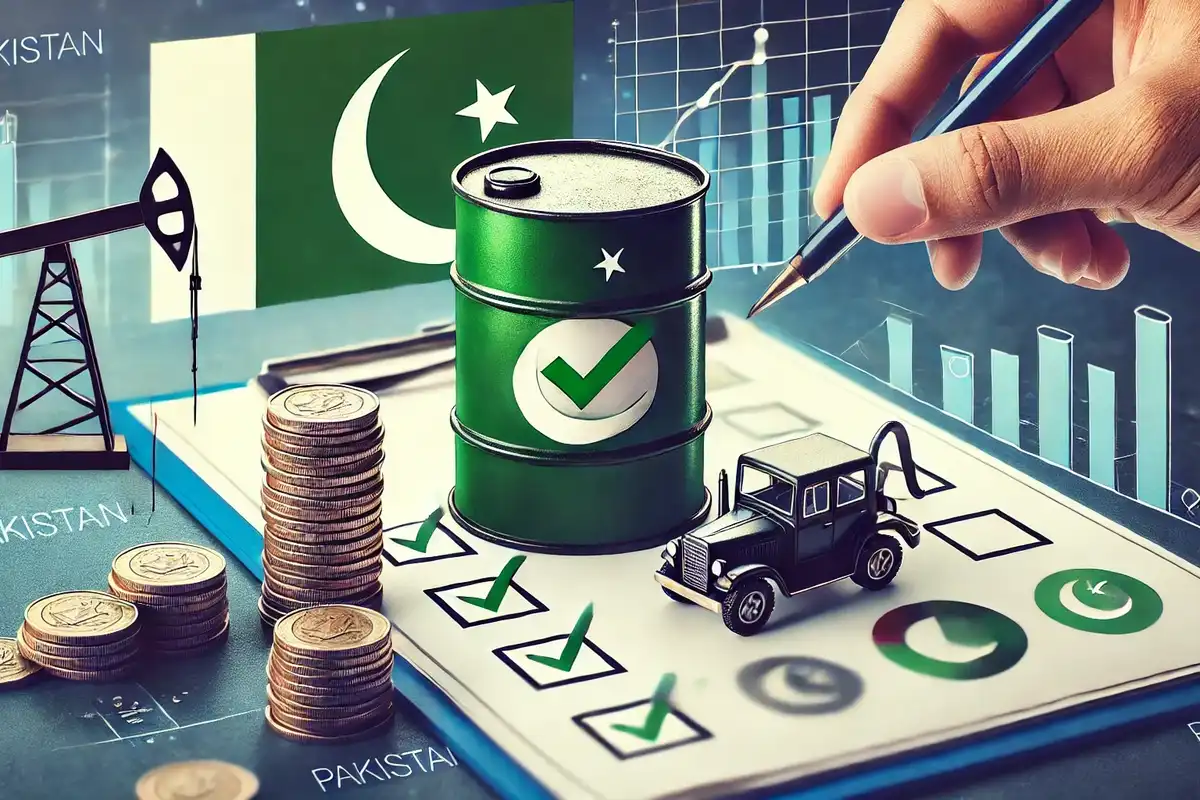
Petroleum levy hits PKR 1.39 trillion in 11 months of FY26, exceeding targets ahead of the budget
Pakistan’s government is estimated to collect PKR 320 billion from consumers through the petroleum development levy (PDL) between March and May, even as households faced rising inflation, economic hardship and uncertainty linked to regional military tensions, according to official estimates and industry calculations.
The surge in levy collections came despite government claims of providing relief to the public and occurred during a period when inflation returned to double digits after remaining below 10% for nearly two years, adding further pressure on household budgets already strained by higher food, utility and transportation costs.
Petroleum levy collections are projected to reach PKR 1.487 trillion by the end of fiscal year 2025-26, surpassing the official target of PKR 1.468 trillion and significantly exceeding last year’s total of about PKR 1.220 trillion.
The levy, imposed on petrol and diesel and recovered directly from consumers through fuel prices, has become one of the federal government’s largest sources of non-shareable revenue as Islamabad seeks to meet fiscal targets and fulfill commitments under its economic reform program.
Consumers shoulder growing tax burden
The increase in petroleum levy collections accelerated during the final months of the fiscal year, coinciding with heightened geopolitical tensions in the region following the Pakistan-India military confrontation and renewed concerns over global energy markets.
Despite volatility in international oil prices, the government largely retained the benefit of lower global crude rates by increasing petroleum levy collections rather than fully passing on relief to consumers, according to market analysts.
Economists say the policy helped strengthen federal revenues but effectively shifted a greater burden onto consumers at a time when inflationary pressures were resurfacing across the economy.
Pakistan’s inflation rate climbed back into double digits in recent months after staying below that threshold for almost two years, driven by rising food, energy and transportation costs, complicating the government’s narrative of economic stabilization and consumer relief.
Revenue target set to be exceeded
Based on collections recorded during the first 11 months of the fiscal year, petroleum levy revenues are estimated at around PKR 1.390 trillion through May. If current trends continue, total collections are expected to reach approximately PKR 1.487 trillion by June 30.
The projected figure would exceed the government’s annual target by nearly PKR 19 billion and provide additional fiscal space ahead of the federal budget for fiscal year 2026-27.
Officials view the levy as a critical revenue source because, unlike divisible taxes, proceeds remain entirely with the federal government and are not shared with provinces.
Smuggling threatens future collections
Industry officials, however, warned that sustaining revenue growth may become increasingly difficult as fuel smuggling continues to erode legitimate petroleum sales.
Recent estimates suggest that between 5,000 and 8,000 metric tons of smuggled diesel enter Pakistan daily through western border regions, reducing sales by licensed oil marketing companies and lowering potential tax collections.
Diesel sales fell 34% year-on-year in May despite the peak harvesting season, while petrol sales also declined, raising concerns over the scale of illicit fuel trade.
Analysts caution that if the decline in legal fuel sales persists, future petroleum levy targets could come under pressure despite higher levy rates.
Budget debate intensifies
Strong growth in petroleum levy revenues is expected to remain a key issue in upcoming budget discussions, as policymakers seek additional resources to narrow the fiscal deficit while balancing demands for consumer relief.
Economists argue that while petroleum levies have helped stabilize government finances, continued reliance on indirect taxation risks placing a disproportionate burden on ordinary citizens already grappling with inflation and weakening purchasing power.
With the federal budget due this week, debate is likely to intensify over whether the government will continue relying on fuel taxation as a major revenue source or provide meaningful relief to consumers facing mounting cost-of-living pressures.

Comments
See what people are discussing