

Pakistan targets up to $723 million from privatization by June 2027
Pakistan expects to raise up to $723 million from privatization by June 2027 through sales of power distributors, banks and airport operations
Haris Zamir
Business Editor
Experience of almost 33 years where started the journey of financial journalism from Business Recorder in 1992. From 2006 onwards attached with Television Media worked at Sun Tv, Dawn Tv, Geo Tv and Dunya Tv. During the period also worked as a stringer for Bloomberg for seven years and Dow Jones for five years. Also wrote articles for several highly acclaimed periodicals like the Newsline, Pakistan Gulf Economist and Money Matters (The News publications)
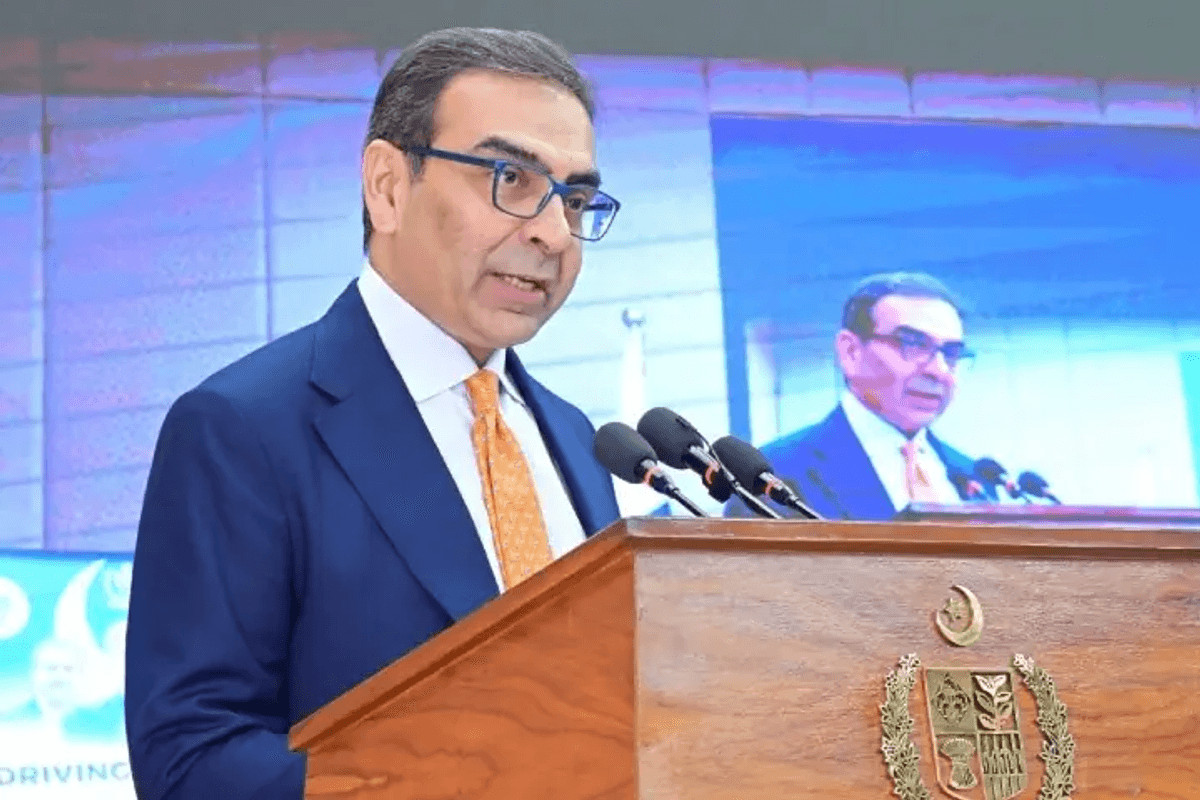
Privatization Adviser Muhammad Ali said the government aims to raise up to 200 billion rupees by June 2027.
X
Pakistan expects to raise up to $723 million from privatization by June 2027, selling state-owned businesses and airport operations to cut public-sector losses and attract private investment, its privatization adviser has said.
Muhammad Ali told Arab News the target is 150 billion to 200 billion rupees ($542 million to $723 million) for the fiscal year ending June 30, 2027.
How much does Pakistan expect to raise from privatization?
Pakistan is targeting 150 billion to 200 billion rupees ($542 million to $723 million) from privatization in the fiscal year ending June 30, 2027, Ali said.
The plan is part of reforms under the country’s $7 billion International Monetary Fund program. It aims to ease the burden of loss-making state enterprises, improve public services and strengthen the economy.
Which companies is Pakistan trying to sell?
The government is pursuing at least six transactions. These include three electricity distribution companies serving Faisalabad, Gujranwala and Islamabad, two financial institutions, and a long-term arrangement to operate Islamabad International Airport. The financial institutions are Zarai Taraqiati Bank Limited and House Building Finance Corporation.
Investors from Türkiye and Saudi Arabia have shown interest in the power distributors, Ali said. Turkish groups Calik, Cengiz and EkoTürk Enerji are among those involved. A Saudi investor has also shown interest in Islamabad’s distributor alongside Pakistani business groups. “Interest so far is from Saudi and Turkiye,” Ali said.
Beyond these deals, the government is pursuing a wider pipeline of 17 transactions. They involve nine electricity distribution companies, three airports, two insurance firms and two financial institutions. The Hyderabad and Sukkur distribution companies are expected to be offered to investors next.
Ali said sovereign wealth funds from Qatar and Kuwait had previously expressed interest. Their role in future deals would become clearer as the process advances, he added.
What is the plan for Pakistan’s airports?
The government plans to invite bids for the long-term operation of Islamabad International Airport by the end of December. The Asian Development Bank is advising on the transaction. Ernst & Young has been appointed financial adviser for the Karachi and Lahore airports, where the proposed arrangements could need more than $500 million in investment to expand capacity.
Ali said the government expects to sign an agreement with the adviser within two weeks. Work on the two airport transactions would then begin.
Could Pakistan privatize its energy companies?
The privatization agenda could eventually extend to Pakistan State Oil and the state-owned gas utilities Sui Southern Gas Company and Sui Northern Gas Pipelines. The government is considering keeping strategically important parts of Pakistan State Oil, including fuel storage, while opening its retail stations and liquefied natural gas terminal operations to private investment, Ali said.
He said accumulated circular debt at the two gas utilities had exceeded 3 trillion rupees ($11 billion). “These problems will not be resolved unless we privatize these companies,” he said.
What obstacles does Pakistan’s privatization drive face?
Pakistan has struggled for years to privatize loss-making enterprises because of political resistance, financial constraints and concerns over jobs and public services. Last year, the government sold Pakistan International Airlines, the debt-ridden national carrier, in a major test of the program.
High electricity costs are another obstacle. Ali said tariffs below 9 cents per kilowatt-hour, ideally between 7 and 8 cents, would help Pakistani manufacturers compete internationally. The government is also proposing a more competitive electricity market, giving suppliers and consumers more flexibility to negotiate prices.
Pakistan is also exploring options for the Roosevelt Hotel in Manhattan, owned by the national airline. Ali said the government had signed a memorandum of understanding with the U.S. General Services Administration, with greater clarity expected in the coming months.
Ali said the IMF had been supportive, although completing the broader program could take a year or longer. He said the government was making progress and expected the drive to expand as more state-owned businesses were opened to private investors.




Comments
See what people are discussing