

Pakistan urges diplomacy as Iran conflict intensifies
Deputy PM Ishaq Dar tells Iran envoy dialogue is only path to lasting regional peace amid widening conflict

News Desk
The News Desk provides timely and factual coverage of national and international events, with an emphasis on accuracy and clarity.
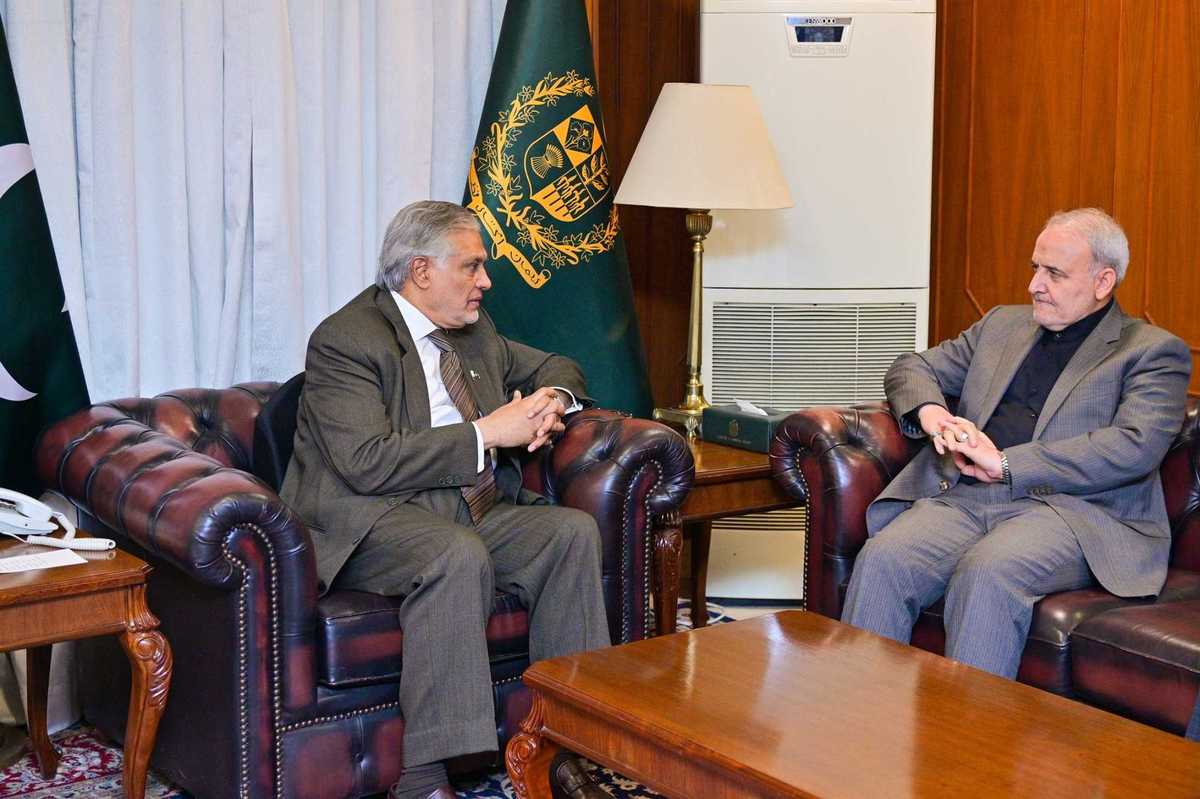
Deputy Prime Minister and Foreign Minister Ishaq Dar holds a meeting with Iran’s Ambassador to Pakistan Reza Amiri Moghaddam on March 17, 2026.
Courtesy: X/ Ministry of Foreign Affairs
Pakistan’s Deputy Prime Minister and Foreign Minister Ishaq Dar has said that dialogue and diplomacy remain the only viable path to resolving issues and ensuring lasting peace and stability in the region.
Dar made the remarks on Tuesday during a meeting in Islamabad with Iran’s ambassador to Pakistan, Reza Amiri Moghaddam, according to Pakistan’s Ministry of Foreign Affairs.
In a post on X, the ministry said the ambassador expressed gratitude for the “strong moral support” extended by the people of Pakistan during what he described as a challenging time for Iran.
Ambassador of Iran, H.E. Reza Amiri Moghaddam today called on Deputy Prime Minister/ Foreign Minister Senator Mohammad Ishaq Dar @MIshaqDar50.
The Ambassador expressed gratitude for the strong moral support extended by the people of Pakistan during this challenging time.
The… pic.twitter.com/nES2j0tZIq
— Ministry of Foreign Affairs - Pakistan (@ForeignOfficePk) March 17, 2026
Dar conveyed condolences over the loss of lives in the ongoing conflict and expressed hope for an early resolution, the ministry said. He underscored that dialogue and diplomacy were the only viable means to address disputes and achieve lasting peace and stability.
A day earlier, Iran’s Foreign Minister Abbas Araghchi thanked Pakistan for what he called “strong solidarity and support” as Tehran faces what he described as aggression from the United States and Israel.
In a post written in Urdu, Araghchi said he sincerely thanked the government and people of Pakistan for expressing solidarity with the people and government of the Islamic Republic of Iran in the face of what he termed aggression by the United States and the “Zionist regime.”
He added that Iran stood firmly and resolutely, placing full trust in Allah, to defend its sovereignty and territorial integrity.
The diplomatic exchanges come amid escalating tensions in the Middle East following U.S. and Israeli attacks on Iran on Feb. 28.
Tehran responded with missile and drone strikes targeting U.S. bases across the Gulf region, including in Saudi Arabia, further heightening regional instability.
Earlier in the day, a senior Iranian official said Iran’s new supreme leader had rejected de-escalation proposals conveyed to Tehran by intermediaries. The leader demanded that Israel and the United States first be “brought to their knees,” the official said.
The conflict between the United States, Israel and Iran is now in its third week. At least 2,000 people have been killed, according to the account provided, and there is no end in sight.
The Strait of Hormuz, a critical waterway for global energy supplies, remains largely closed off. U.S. allies have rebuffed a request from U.S. President Donald Trump for help in reopening the strait, raising energy prices and stoking fears of inflation.





Comments
See what people are discussing