

Pakistan says second round of US-Iran talks to resume soon, but timing, venue not confirmed
Pakistan’s foreign ministry says a range of issues, including nuclear-related matters, are being discussed between the two sides
Aamir Abbasi
Editor, Islamabad
Aamir; a journalist with 15 years of experience, working in Newspaper, TV and Digital Media. Worked in Field, covered Big Legal Constitutional and Political Events in Pakistan since 2009 with Pakistan’s Top Media Organizations. Graduate of Quaid I Azam University Islamabad.
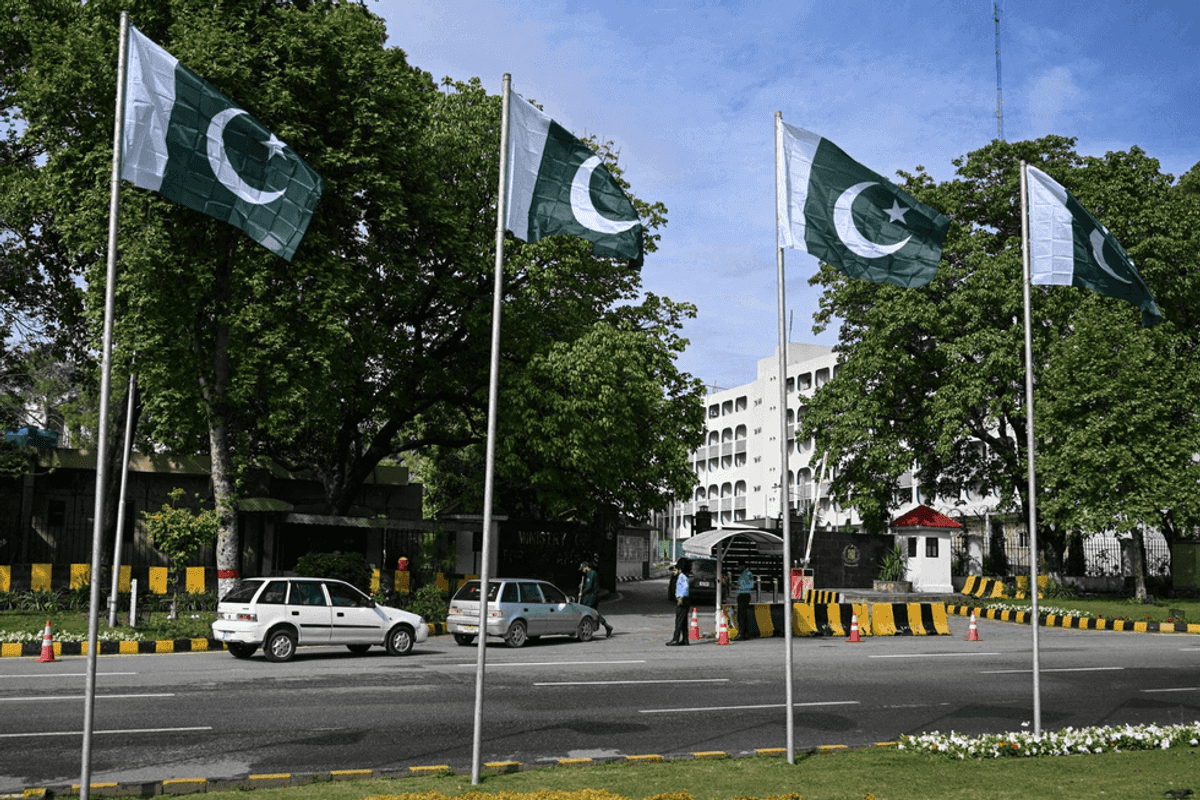
US President Donald Trump also suggested that negotiations could resume within days.
AFP
Pakistan said on Thursday that a second round of talks between the United States and Iran is expected to take place soon, but stressed that the timing and venue have not yet been finalized.
The foreign ministry said a range of issues, including nuclear-related matters, were under discussion, without providing further details on the scope or format of the engagement.
Mediator role and confidentiality stressed
At a weekly press briefing, Foreign Office spokesperson Tahir Andrabi declined to comment on reports about a possible visit by Pakistan’s army chief to the United States following his recent trip to Tehran.
“I currently have no information on it,” he said.
Andrabi emphasized the sensitivity of Pakistan’s role as a mediator, saying decisions on delegations and participation rest with the parties involved.
“Who will come, how big the delegation will be, who will stay and who will go is for the parties to decide. As a mediator, it’s important for us to keep the talks confidential,” he said, adding that details had been entrusted to Pakistan by the negotiating sides.
He added that Pakistan’s efforts to facilitate dialogue were being recognized internationally, underscoring Islamabad’s commitment to promoting regional stability through diplomacy.
Meanwhile, Iran’s Ambassador to Pakistan Reza Amiri Moghadam said Tehran preferred Pakistan as the venue for talks, citing trust in Islamabad’s role.
“We will do talks in Pakistan and nowhere else, because we trust Pakistan,” he said at an event at the Institute of Regional Studies in Islamabad, adding that Iran does not trust the United States.
He described mediation efforts by Pakistan’s prime minister and army chief as “commendable”.
Diplomatic outreach and parallel engagements
Separately, Andrabi said Prime Minister Shehbaz Sharif is currently on a regional visit, while Pakistan’s army chief was in Tehran as part of ongoing diplomatic contacts. He added that the prime minister had engaged with several leaders ahead of the visit to build support for the process.
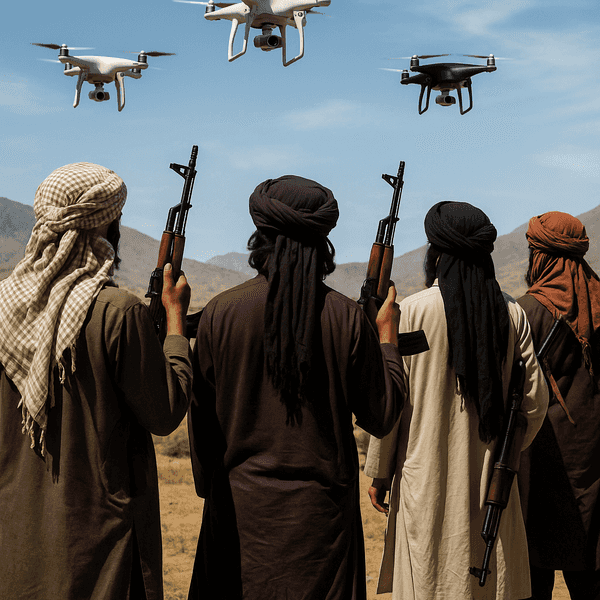
On Afghanistan, Andrabi said a Pakistani delegation had returned from talks in Urumqi with representatives of the Afghan Taliban.
“We now await verifiable guarantees from Afghanistan,” he said, reiterating Islamabad’s demand for concrete assurances in bilateral engagement.
On Wednesday, the White House said discussions were underway on holding a second round of talks, expressing optimism about the prospects for a deal.
“Those discussions are being had,” Press Secretary Karoline Leavitt told reporters, adding that further talks would “very likely” take place in Islamabad. She described Pakistan as the “only mediator” and praised its role in facilitating dialogue.
Washington has continued to apply pressure on Tehran alongside diplomatic efforts. U.S. Central Command said maritime restrictions it announced had been “fully implemented”, aiming to curb Iran’s sea-borne trade. However, shipping data cited in regional reports indicated that some vessels departing Iranian ports have continued to transit through the Strait of Hormuz.
Nuclear issue remains key hurdle
The nuclear program remains the central sticking point in the talks. According to reports, U.S. officials have proposed a 20-year suspension of Iran’s uranium enrichment activities, while Iran has countered with a five-year suspension, which Washington has rejected.
Iranian President Masoud Pezeshkian has said Tehran does not seek conflict and supports dialogue, while rejecting what he described as external pressure to force submission. He also referred to what he called an “unprovoked war” involving the United States and Israel, saying Iran’s response had led to a ceasefire after 40 days.


Comments
See what people are discussing