Business
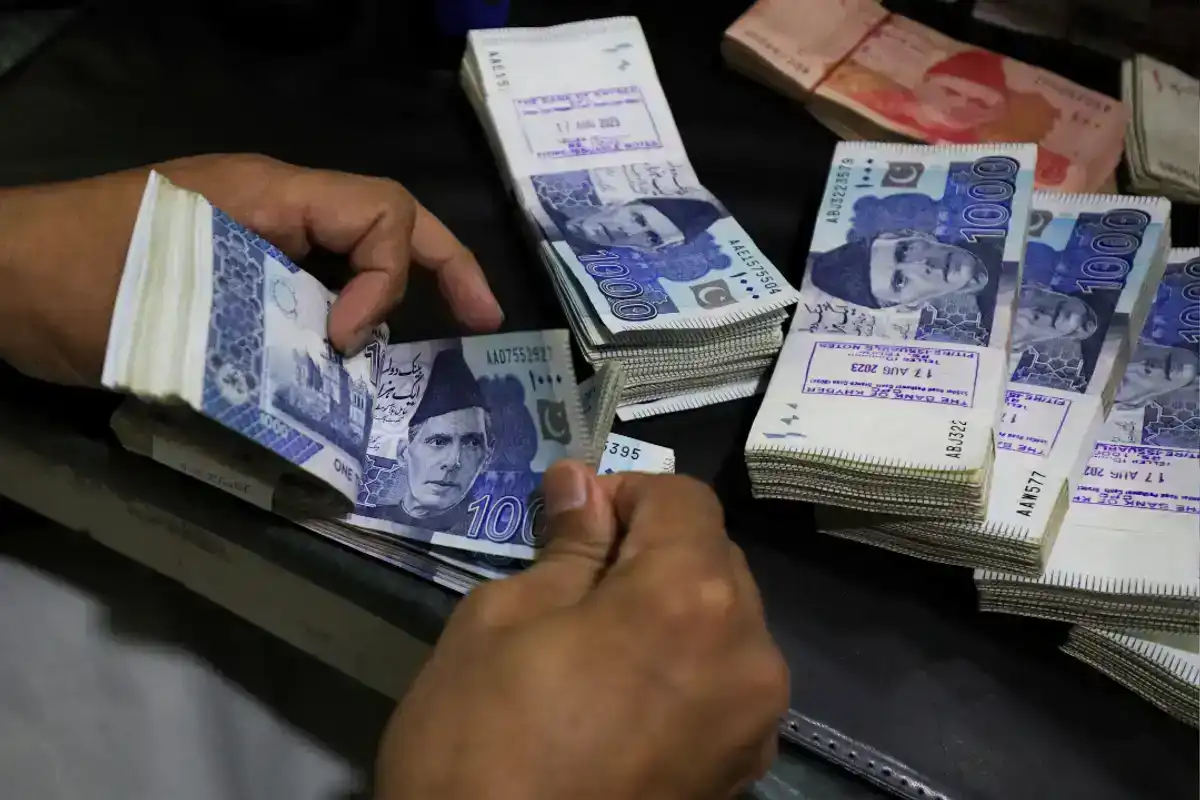
Pakistan government borrowing from banks jumps to PKR 4.92 trillion in FY26
Commercial bank borrowing rises 33% from last year as government faces continued fiscal challenges
Jun 23, 2026
Jun 23, 2026
Commercial bank borrowing rises 33% from last year as government faces continued fiscal challenges
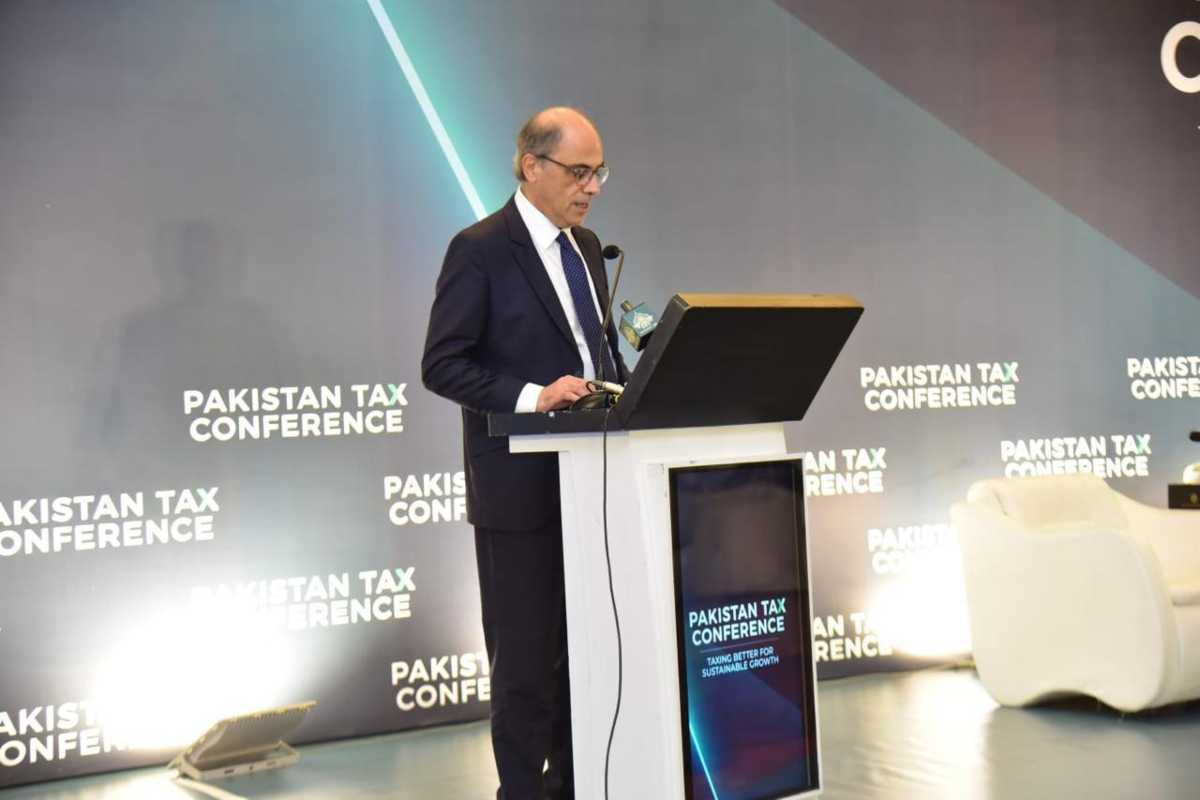
Kamran Khan highlights how Pakistan plans to expand the tax net and tackle the cash economy
Proposed legislation introduces stricter penalties for non-compliance, requires electronic tax monitoring systems and expands digital tax administration
Pakistan’s Finance Bill for fiscal year 2026-27 proposes a series of tax measures affecting vehicle owners, education-related goods and the aviation sector, including a 15-year sales tax exemption for aircraft imported by the national carrier, Pakistan International Airlines (PIA).
The draft amendments, prepared following parliamentary directions for incorporation into the Finance Act 2026-27, also introduce revised vehicle taxation rules and changes to sales tax rates on selected consumer goods.
Under the bill, aircraft imported by PIA would remain exempt from sales tax for 15 years, a move aimed at facilitating fleet modernization and reducing operational costs for the state-owned airline.
The legislation also proposes reducing the sales tax on children's stationery items, including pencils, pens and sharpeners, to 10% from 18%.
The bill introduces new vehicle-related taxes that would take effect on July 1.
Under the proposed measures, vehicles with engine capacities of up to 1,000 cubic centimeters (cc) would be subject to a one-time fixed tax of PKR 10,000.
For vehicles manufactured before 2010 with engine capacities of up to 1,000cc, the annual token tax has been proposed at PKR 20,000.
Vehicles ranging from 1,001cc to 1,300cc would be subject to a token tax equal to 0.3% of the total invoice value, while another category of vehicles would face a token tax equivalent to 0.25% of the invoice value under revised schedules outlined in the bill.
The draft law also revises token taxes for older and newer vehicle models. Vehicles manufactured before 2010 would face a token tax of PKR 2,500, while vehicles manufactured after 2010 would be subject to a token tax of PKR 6,200.
The bill notes that certain post-2010 vehicles were previously subject to a token tax of PKR 1,500, indicating a significant increase under the proposed framework.
In addition to vehicle taxation, parliament approved amendments to Section 182 of the Income Tax Ordinance, 2001. Under the revised provisions, penalties and tax liabilities may be determined based on either the tax payable on taxable income or the highest tax amount assessed during the previous three years, whichever is greater.
The proposed measures remain subject to final parliamentary approval before becoming law.
Sanctions relief could unlock cheaper energy, cut power costs and strengthen supply security, Analysts say
Pakistan plans to cut average import tariffs from 20.19% to 9.70% by 2030 under its National Tariff Policy, easing duties on autos, pharma, logistics and construction
Pakistan's Senate adopts 123 budget recommendations for FY2026-27, seeking a higher tax exemption threshold, 15% salary hikes and electricity relief for consumers
Aurangzeb says Pakistan's economy has stabilized with record remittances and a 4% growth target, crediting Pakistan's role in Iran-US peace talks
Pakistan raises the petroleum levy on diesel to PKR 72.97 per liter while cutting petrol and HOBC levies as the government races to meet its fiscal year target
The upper house urges the NA to restore the 1% Final Tax Regime for exporters, clear outstanding refunds, and cut energy costs in Finance Bill 2026-27.
Pakistan's NA finance committee backed the Finance Bill's salaried tax rates on Friday, rejecting calls for deeper middle-class cuts amid tight fiscal constraints.
Khyber Pakhtunkhwa's 2026-27 budget proposes a 7% salary hike, PKR 524bn development plan, and no new taxes, with a PKR 48bn deficit projected.
SBP data shows profit outflows rose 2.3% year-on-year, with financial and power sectors leading repatriations as overseas transfers ease
Six projects worth PKR 16.9 billion approved, while six major schemes totaling PKR 418.8 billion referred to ECNEC for final approval
Pakistan’s secondary-market government bond yields declined across all major tenors on Thursday, reflecting growing investor confidence in the macroeconomic outlook, easing inflation expectations, and anticipation of further monetary easing by the State Bank of Pakistan (SBP).
According to data compiled by Topline Securities and the Mutual Funds Association of Pakistan (MUFAP), yields on short-, medium-, and long-term government securities fell compared with both the previous day and the previous week, indicating strong demand for fixed-income instruments in the secondary market.
The benchmark three-month yield declined by 8 basis points (bps) day-on-day to 11.70%, while the one-year yield fell 17bps to 11.84%. The three-year tenor recorded the sharpest daily decline, dropping 30bps to 11.76%.
Longer-dated bonds also posted declines. The 10-year yield eased 1bp to 12.38%, while yields on 15-year and 20-year papers fell to 12.58% and 12.71%, respectively.
On a weekly basis, the decline was even more pronounced. The three-year yield dropped 104bps from 12.80% on June 11, while the one-year tenor fell 100bps. The 10-year yield decreased 55bps over the same period.
The movement suggests investors are increasingly pricing in a lower interest-rate environment amid moderating inflation, a stable exchange rate, and improving external-sector indicators.
Despite the recent declines, bond yields remain significantly higher than levels recorded at the end of 2025. Compared with Dec. 31, 2025, the one-year yield is still up 145bps, while the 10-year yield remains 91bps higher. Year-to-date, however, the pace of increase has moderated substantially following recent market rallies.
The yield curve remained upward sloping, with longer-term securities offering higher returns than short-term instruments. The spread between the three-month yield and the 20-year yield stood at about 101bps, reflecting investors’ demand for additional compensation to hold longer-duration debt.
Economists said the broad-based decline in yields reflects improving sentiment toward Pakistan’s economic fundamentals and expectations that inflation will remain contained in the coming months.
The sharp decline in short- and medium-term yields indicates that market participants expect policy rates to remain on a downward trajectory over the next several quarters.
“The bond market is signaling confidence that inflation risks are manageable despite regional geopolitical uncertainties and fluctuations in international commodity prices,” an analyst said.
Analysts noted that falling yields could help reduce the government’s borrowing costs if the trend continues, easing pressure on debt-servicing expenditures in future budgets.
The decline also comes as investors assess the impact of lower global energy prices and expectations of improved fiscal and external-sector performance in FY27.
Market participants will now closely watch upcoming treasury bill and Pakistan Investment Bond auctions for confirmation of investor appetite and signals about the future direction of monetary policy.
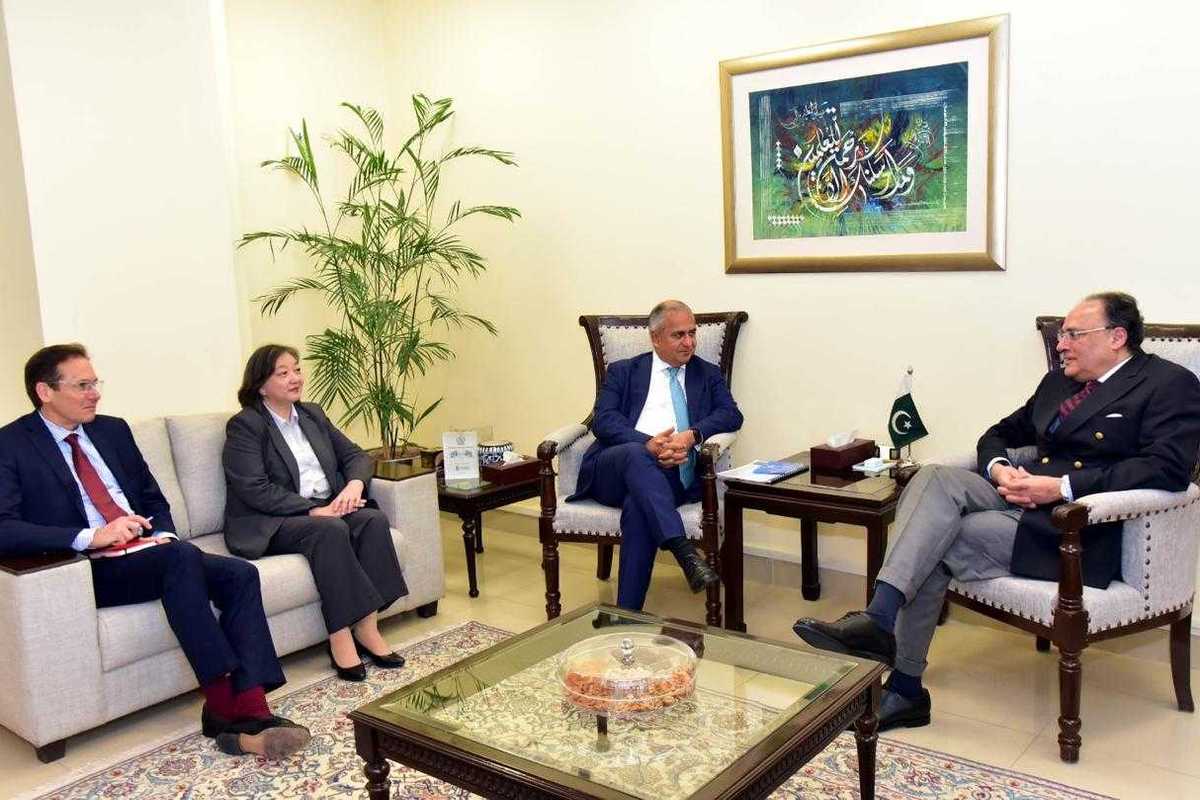
Finance Minister Muhammad Aurangzeb met PCGA representatives to discuss cotton sector reforms, productivity, investment and sector growth.
Program aims to expand insurance coverage, boost private sector participation, and strengthen financial resilience against economic and climate-related risks
Petroleum minister says Pakistan plans a mechanism to pass falling global oil prices on to consumers nationwide
FDI declined to USD 1.623 billion during the first 11 months of FY26, while overall foreign investment fell to USD 477.6 million despite a rebound in May
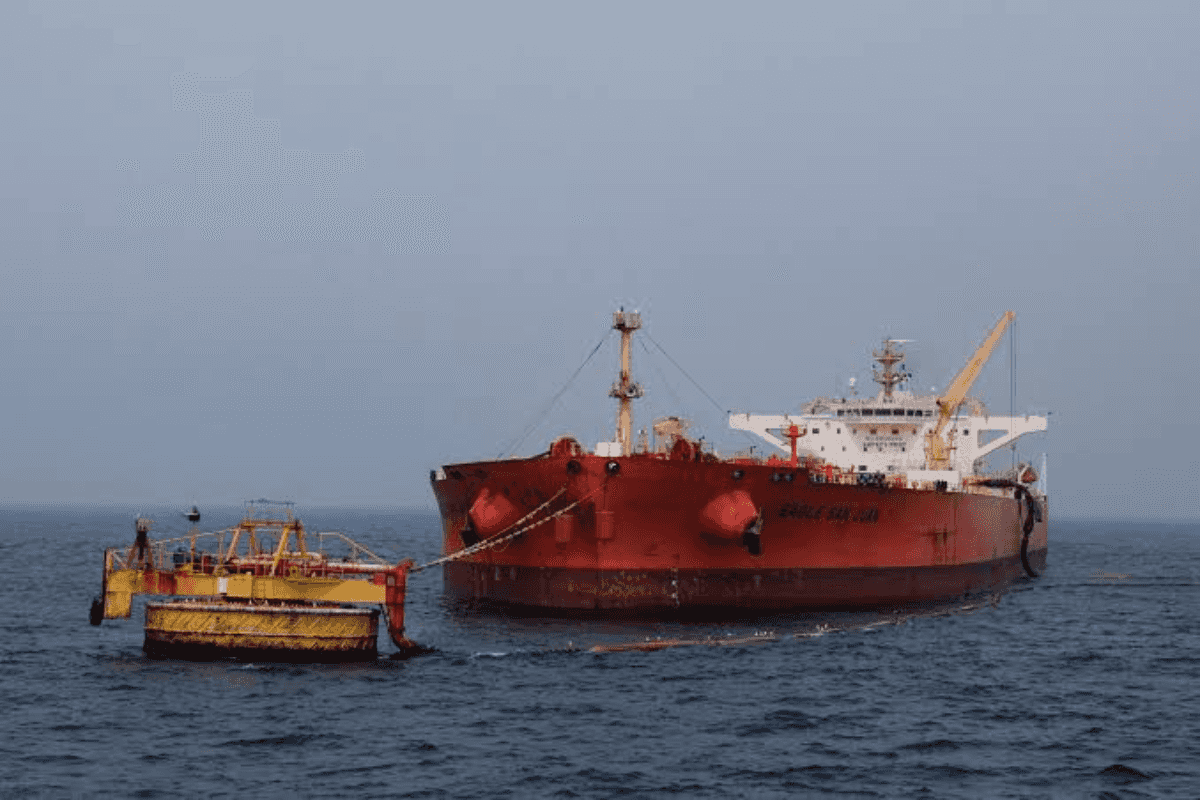
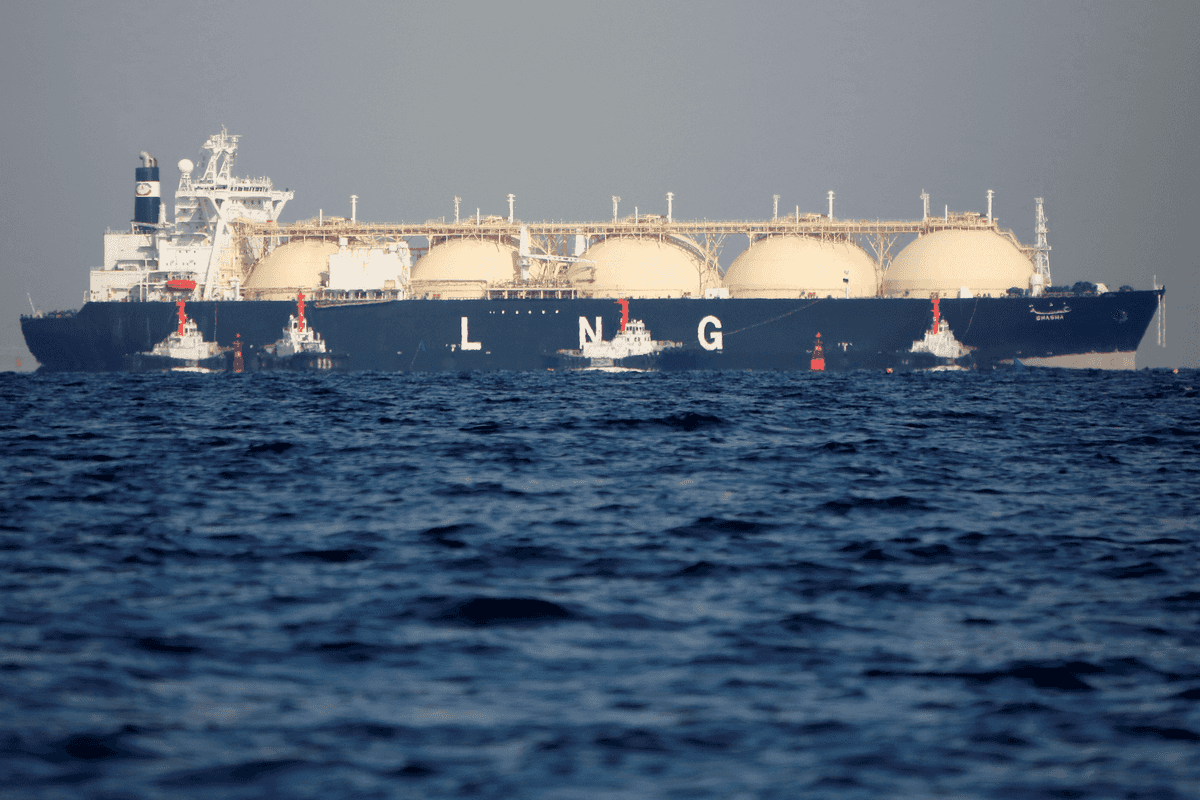
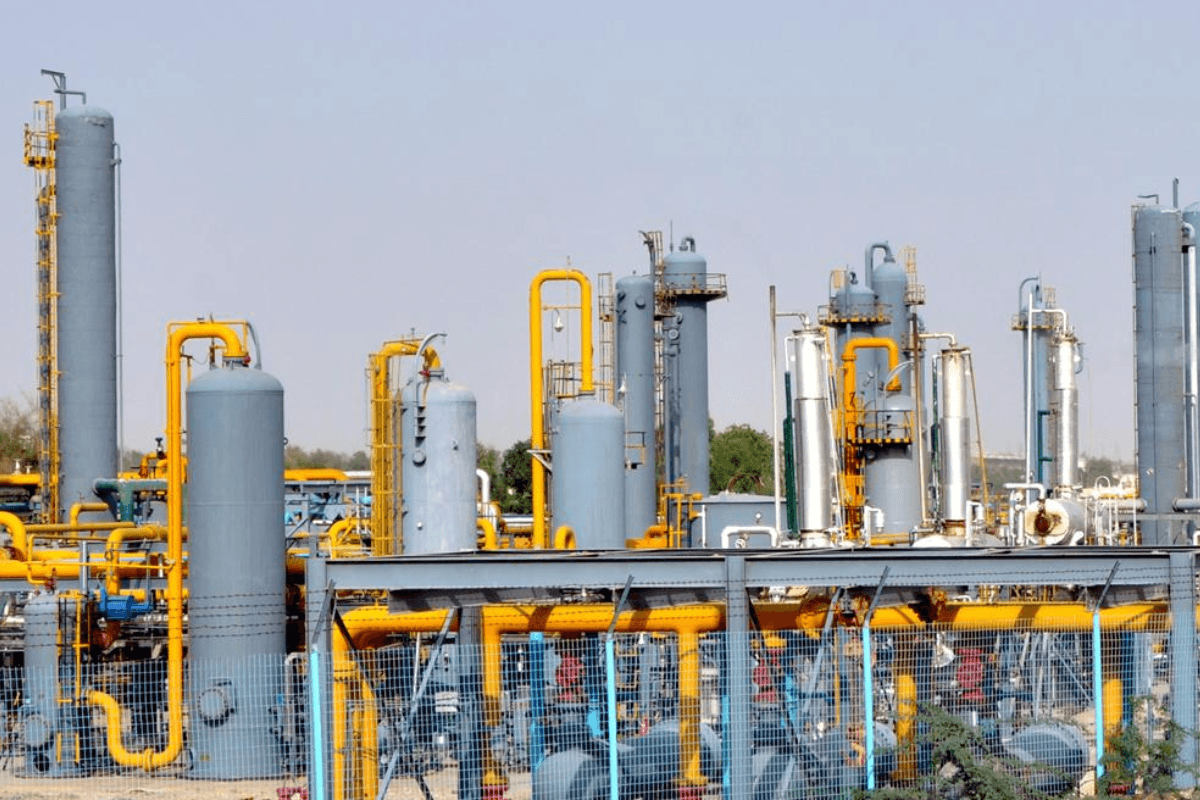
State-run Pakistan LNG Ltd. (PLL) has rejected a bid from BP Singapore for a spot LNG cargo scheduled for delivery on June 20-21 and has issued another tender for a cargo arriving next week, a Ministry of Energy official said on June 18.
PLL received a single bid from BP Singapore for the cargo, which was offered at USD 16.7828 per million British thermal units (MMBtu), according to documents posted on the company's website on June 17.
"Yes, we rejected the cargo in the hope that the situation in the Middle East will normalize soon and LNG supplies from Qatar will resume," said the Ministry of Energy official, who requested anonymity. The official declined to comment on why another spot cargo tender had been issued.
PLL invited bids on June 16 for a single cargo of 140,000 cubic meters, with submissions due on June 17, according to tender documents.
The state-run importer issued another spot tender on June 18 for one cargo to be delivered during the June 21-22 window, according to documents posted on PLL's website.
Pakistan plans to import one LNG cargo of 140,000 cubic meters on a delivered ex-ship basis at Karachi's Port Qasim. PLL said bids must be submitted by June 19.
Earlier, PLL rejected all five bids received under previous tenders — three bids for the June 13-14 delivery window and two bids for the June 20-21 delivery window.
The company did not provide a reason for rejecting the offers and only marked the tenders as "cancelled" on its website. When contacted, the Ministry of Energy official said the bids were rejected in anticipation of a resumption of LNG supplies from Qatar.
For the June 13-14 delivery window, PLL received bids from Vitol Bahrain at USD 21.9777/MMBtu, BP Singapore at USD 18.9868/MMBtu and PetroChina International Singapore at USD 19.20/MMBtu.
For the June 20-21 delivery window, PLL received bids from BP Singapore at USD 18.9868/MMBtu and PetroChina International Singapore at USD 19.06/MMBtu.
Pakistan typically imports nine to 10 LNG cargoes each month from Qatar under long-term supply contracts. However, the conflict in the Middle East has disrupted contractual shipments from the region.
The country imports LNG from Qatar under two long-term agreements, one priced at 13.7% of Brent crude and the other at 10.2% of Brent.
Pakistan's LNG imports fell to USD 2.016 billion in the 10 months through May 30, compared with USD 3.211 billion during the same period a year earlier, according to data released by the Pakistan Bureau of Statistics on June 16.