

Pakistan’s remittances rise 15% in January to reach $3.5 billion
Saudi Arabia remained the largest source of remittances in January, with inflows of $740 million

Business Desk
The Business Desk tracks economic trends, market movements, and business developments, offering analysis of both local and global financial news.
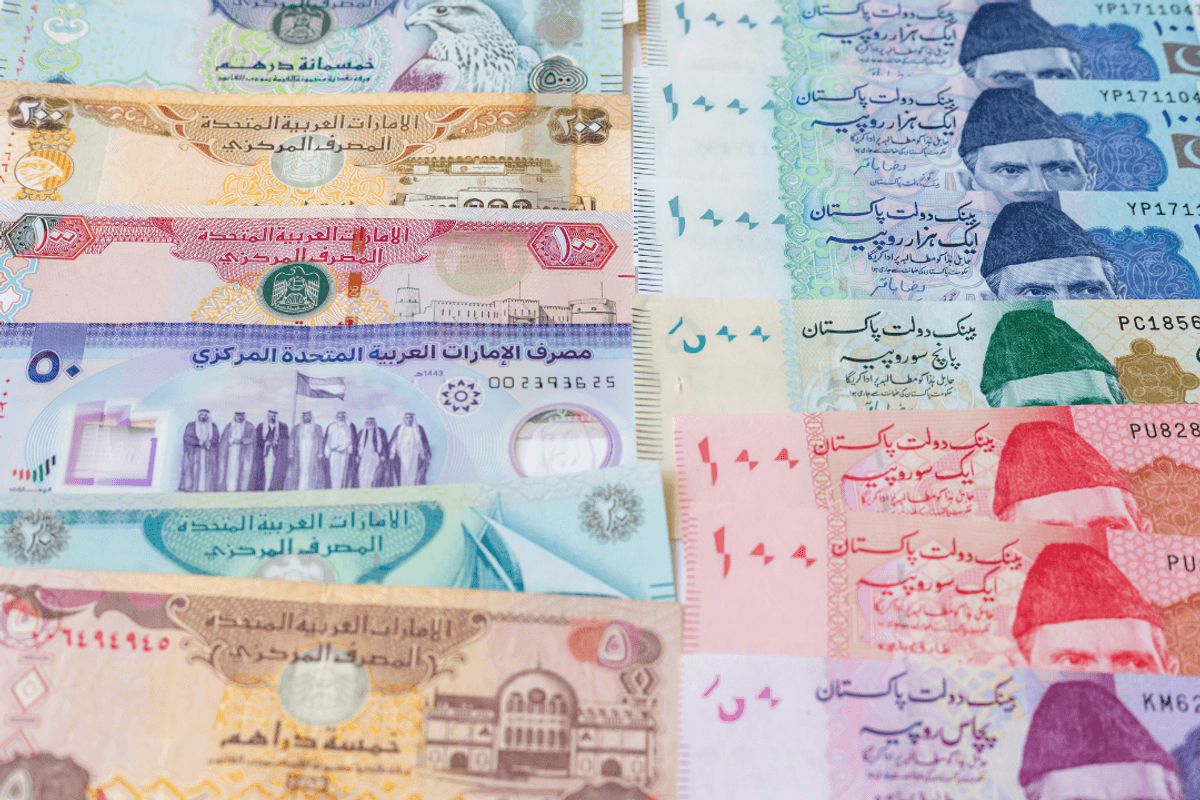
Workers’ remittances to Pakistan rose 15.4% in January from a year earlier, reaching $3.47 billion, supported by strong inflows from Saudi Arabia, the United Arab Emirates and the United Kingdom, central bank data showed.
Remittances, however, fell 4% from December, when inflows totaled $3.59 billion, reflecting typical post-holiday normalization after a strong end-year showing.
Cumulatively, workers sent $23.2 billion during the first seven months of fiscal year 2026, up 11.3% from $20.85 billion in the same period last year, according to data from the State Bank of Pakistan.
January inflows
Saudi Arabia remained the largest source of remittances in January, with inflows of $740 million, up 2% from a year earlier but down 9% from December.
Remittances from the United Arab Emirates rose 12% year on year to $694 million, while inflows from the United Kingdom jumped 29% to $572 million. Transfers from European Union countries increased 36% to $480 million.
Remittances from the United States stood at $295 million, down 1% from a year earlier, while inflows from other countries rose 23% to $684 million.
FY26 performance
During July-January FY26, Saudi Arabia accounted for $5.46 billion in remittances, up 6% from the same period last year. Inflows from the UAE rose 14% to $4.78 billion, while remittances from the UK increased 14% to $3.48 billion.
Transfers from EU countries surged 25% to $3.10 billion, while remittances from the United States fell 5% to $1.98 billion. Inflows from other countries totaled $4.40 billion, up 14% year on year.
Remittances remain a critical support for Pakistan’s external account, helping offset a persistent trade deficit and stabilize foreign exchange reserves. Analysts have attributed the recent strength to a combination of improved formal transfer channels, currency stability and steady labor demand in Gulf economies.
Pakistan recorded record remittances of $38.3 billion in fiscal year 2025, according to the State Bank of Pakistan, and policymakers have repeatedly highlighted overseas workers’ inflows as a key buffer against balance-of-payments pressures.
With two major Islamic holidays falling in the latter half of the fiscal year, economists expect remittance inflows to remain elevated, even as monthly fluctuations continue. State Bank of Pakistan Governor Jameel Ahmad recently stated that the bank now expects remittances in the current fiscal year to clock in at $42 billion.





Comments
See what people are discussing