

Rising coal prices threaten Pakistan cement margins as energy crisis lifts demand
Sherman Securities estimates every USD 10 per ton increase in coal adds around PKR 30 to cement production costs per bag, putting manufacturers’ pricing power in focus

Haris Zamir
Business Editor
Experience of almost 33 years where started the journey of financial journalism from Business Recorder in 1992. From 2006 onwards attached with Television Media worked at Sun Tv, Dawn Tv, Geo Tv and Dunya Tv. During the period also worked as a stringer for Bloomberg for seven years and Dow Jones for five years. Also wrote articles for several highly acclaimed periodicals like the Newsline, Pakistan Gulf Economist and Money Matters (The News publications)
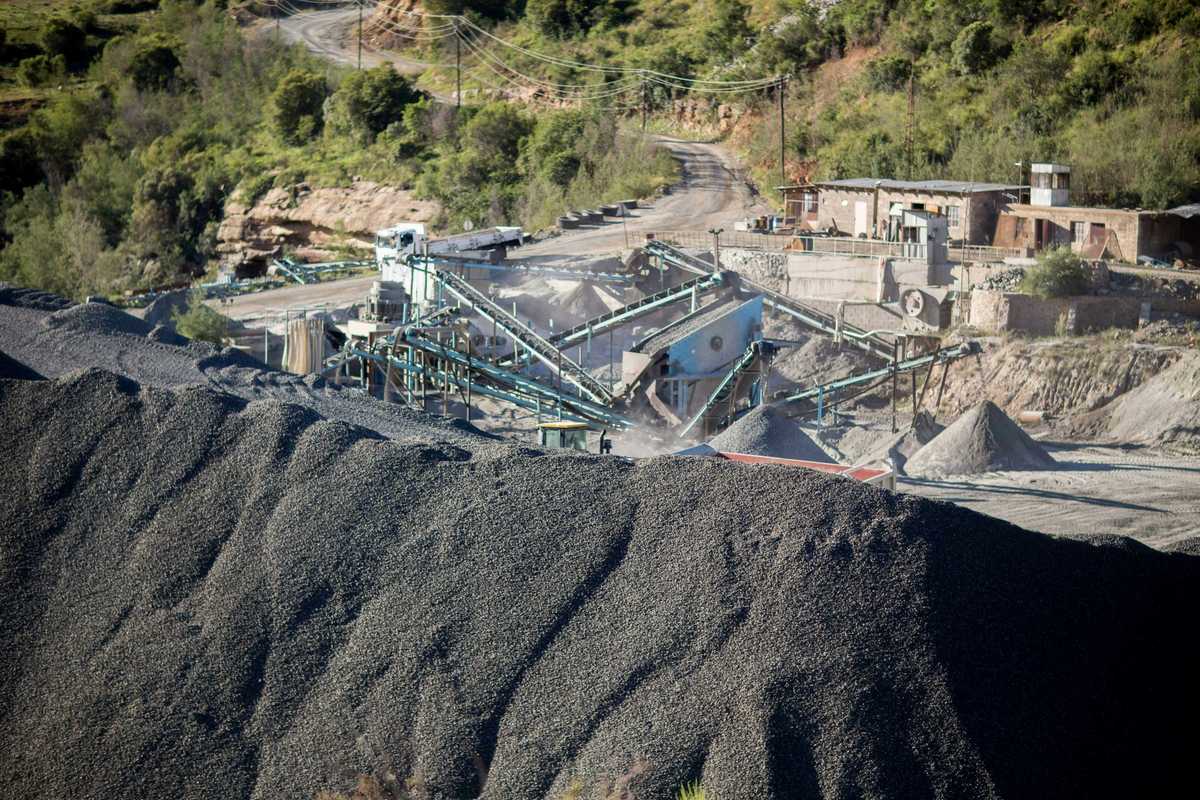
International coal prices have climbed to around USD 125 per ton, while averaging USD 112.2 per ton so far in FY27
Pakistan’s cement sector is facing renewed cost pressure as international coal prices rise, with Sherman Securities warning that manufacturers’ earnings could come under pressure if they are unable to pass higher fuel costs on to consumers.
International coal prices have climbed to around USD 125 per ton, while averaging USD 112.2 per ton so far in FY27, according to Sherman Securities. That is around 15% higher than the USD 97 per ton average recorded in FY26.
Coal is a major fuel input for cement manufacturers, particularly for heating cement kilns, while it is also used by some producers for power generation.
Sherman said the impact of higher coal prices on sector earnings would depend less on the absolute coal price and more on manufacturers’ ability to pass additional costs on to consumers, improve fuel efficiency and increase the use of alternative fuels.
Every USD 10 coal increase adds around PKR 30 per bag
Sherman estimates that every USD 10 per ton increase in coal prices raises industry costs by around PKR 30 per bag.
The brokerage has assumed an average coal price of USD 107 per ton for FY27, around 10% above the FY26 average of USD 97 per ton, alongside a 5% increase in local cement retention prices.
If manufacturers absorb the entire increase in costs, Sherman estimates industry gross margins could decline by around 3 percentage points year-on-year, resulting in an approximately 10% decline in earnings.
If producers instead fully pass higher inflation and coal costs on to consumers while maintaining last year’s margins, cement retention prices would need to rise by around 5.5% year-on-year, equivalent to approximately PKR 44 per bag, according to the brokerage.
Under that scenario, Sherman estimates industry net earnings could grow around 4.5% year-on-year in FY27.
The brokerage said cement prices have historically tended to rise during periods of elevated coal prices but remained relatively sticky when coal prices subsequently declined.
Energy crunch supports coal demand
Sherman attributed the latest rally in coal prices primarily to disruptions in global oil and liquefied natural gas markets.
According to the brokerage, the Middle East accounts for roughly 20% to 25% of global demand for these energy products, while disruptions to supply have encouraged several Asian economies to increase coal consumption as an alternative fuel for power generation and heating.
Sherman said Iran’s blockade of the Strait of Hormuz, which it said has been in force since February 2026, cut off roughly a fifth of global LNG supply and pushed gas prices higher internationally.
The resulting increase in gas prices has encouraged utilities in Asia and Europe to shift towards coal, which has become comparatively cheaper, according to the brokerage.
China, the world’s largest coal consumer, has meanwhile experienced relatively weaker coal demand because of the rapid expansion of solar energy, Sherman said.
However, the brokerage expects additional coal demand ahead of the winter season, particularly from Europe.
Europe could add further pressure
Sherman said European Union gas storage stood at 48.6% in late June 2026 compared with a historical average of 84%, leaving the region more exposed ahead of the winter heating season.
The brokerage expects EU storage to reach only around 76% by the end of October as LNG supplies remain constrained by disruption to shipping through the Strait of Hormuz.
Sherman noted that the United States and Qatar became major LNG suppliers to Europe after Russian pipeline gas supplies fell following the start of the Russia-Ukraine war in 2022.
With spot LNG prices and freight costs rising, the brokerage expects European buyers to build coal inventories ahead of winter, creating further upside risk for international coal prices.
Sherman said a similar pattern emerged after the Russia-Ukraine war disrupted Russian gas supplies, prompting Europe to increase coal consumption and contributing to a sharp rally in coal prices.
Although Europe has since diversified its gas supplies, particularly through US and Qatari LNG, Sherman said disruption to Qatari LNG supplies ahead of winter, combined with low storage levels, could again tighten energy markets and increase coal demand.
The brokerage expects coal prices to remain elevated in the near term as geopolitical disruptions continue to support energy prices, before potentially normalizing as global energy markets stabilize.
Sherman identified a prolonged period of coal prices above USD 110 per ton as the main downside risk to its cement-sector estimates, particularly if manufacturers are unable to fully pass higher fuel costs on to consumers.




Comments
See what people are discussing