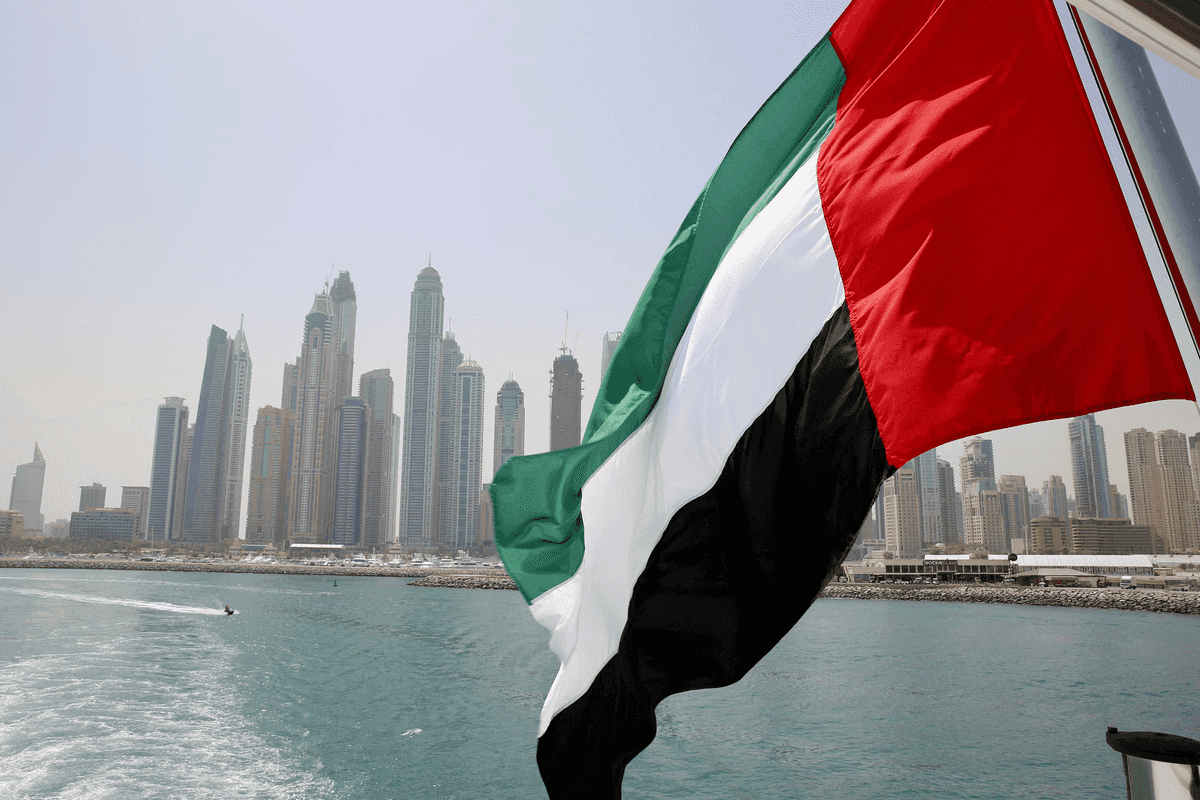
The United Arab Emirates is discussing a currency swap line with the United States, its trade minister said at a conference in Abu Dhabi, Reuters reported.
Trade Minister Thani Al Zeyoudi said the US currently maintains such arrangements with only five countries and that the UAE is among those in conversation about the policy. He did not provide details on size, structure, or timeline.
What is the UAE-US currency swap line and why does it matter?
A currency swap line between central banks allows each institution to access the other's currency directly, without using foreign exchange markets.
This reduces transaction costs and exchange-rate risk for cross-border trade and investment. For the UAE, joining such an arrangement with the US would signal a deepened financial relationship and provide a buffer against wartime economic shocks.
Al Zeyoudi framed the talks as a mark of economic standing rather than financial distress.
"Being part of that group means that transactions, trade, investments between both nations reach a level where that swap is highly needed," he said. "It is an elite matter, it is not about bailing out," he told the Make It In The Emirates event in Abu Dhabi.
Which countries already have currency swap lines with the US Federal Reserve?
The US Federal Reserve maintains permanent standing currency swap lines with five major central banks: the Bank of Canada, the Bank of Japan, the European Central Bank, the Bank of England, and the Swiss National Bank.
Al Zeyoudi said the US was conducting its swap policy with an "elite group" of only five countries, and that the UAE was in discussions to be part of that group. He did not specify whether the UAE would join the existing five or form a separate bilateral arrangement.
US Treasury Secretary Scott Bessent said last month that several Gulf and Asian allies had requested currency swap lines from the United States. He said the arrangements would help those countries manage energy shocks and other economic fallout from the Middle East war, which began with US and Israeli strikes on Iran on February 28.
How has the Middle East war affected the push for a UAE-US swap line?
The war has effectively shut the Strait of Hormuz, the vital maritime chokepoint through which about 20% of global oil and liquefied natural gas shipments pass.
The closure has pushed up oil prices and increased financial volatility across the Gulf region. A currency swap line with the US would give the UAE central bank cheaper access to dollars in the event of a liquidity crisis driven by the disruption.
Al Zeyoudi did not elaborate further on the discussions, including any proposed size of the facility or a target date for reaching an agreement.






Comments
See what people are discussing