

UAE launches Naseej textile recycling initiative to divert 80% of waste from landfills by 2031
UAE's Naseej initiative targets 220,000 tons of annual textile waste, aiming to divert 80% of waste from landfills by 2031 and close 11 landfill sites within three years

Dubai Desk
The Dubai Desk reports on major developments across the UAE, covering news, culture, business, and social trends shaping the region.
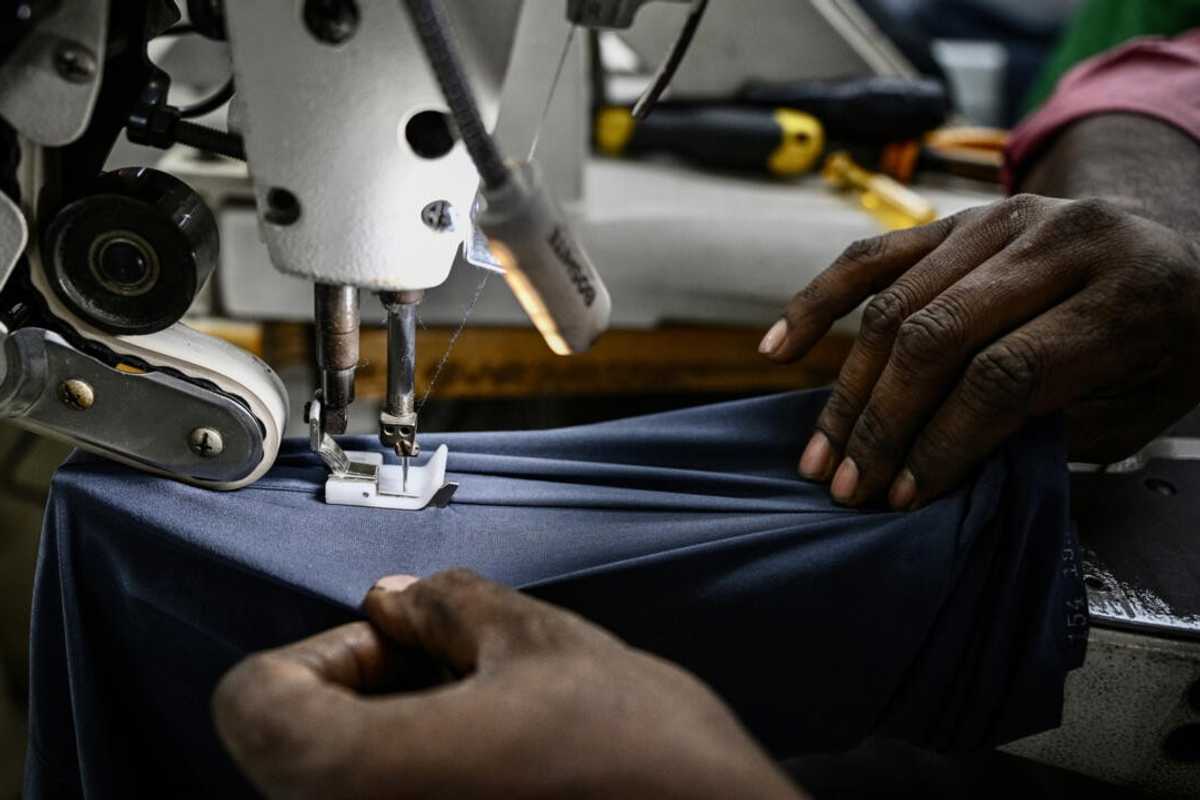
The initiative, called Naseej, aims to address the country's growing textile waste problem.
The United Arab Emirates has launched Naseej, a national textile recycling initiative, as part of efforts to divert 80% of waste from landfills by 2031 and close 11 landfill sites within three years.
The UAE generates an estimated 220,000 tons of textile waste each year, with 88% currently ending up in landfills, according to a report by Khaleej Times.
What is the UAE's Naseej textile recycling initiative?
Naseej is a national circular economy program designed to establish dedicated collection and recycling systems for discarded clothing and fabrics.
It brings together the National Projects Office, Ministry of Economy, Emirates Foundation, and Tadweer Group. The initiative aims to shift the country away from a linear "make-use-dispose" model for textiles.
Why does the UAE generate so much textile waste?
The UAE consumes around 500 million textile items annually, creating a significant disposal challenge. Tadweer Group CEO Etienne Petit told Khaleej Times that nearly all textile waste generated in the country currently reaches landfills, with only limited recycling taking place.
The absence of dedicated collection and sorting systems remains one of the biggest obstacles to changing that.
Petit said textiles mixed with food waste or other household rubbish often become unsuitable for recycling because materials can no longer be effectively separated. "If you have textile plus food plus paper plus cardboard, you will not be able to take it for recycling," he said. Proper segregation at the point of disposal is central to the program's success.
The initiative was launched under the directives of President Sheikh Mohamed bin Zayed Al Nahyan and forms part of the UAE's broader circular economy strategy.
How will the Naseej initiative collect and recycle textiles?
The program seeks to establish dedicated collection streams and recycling pathways for unwanted clothing and fabrics while encouraging residents and businesses to separate textiles from general household refuse.
Fourteen private-sector partners, including retailers and manufacturers, have already joined to support collection efforts and develop recycling solutions.
At the launch event at Yas Mall, residents were offered specially designed collection bags. Users can fill the bags with unwanted clothing and textiles, scan a QR code and arrange a pickup so items can be directed toward reuse, donation or recycling.
Petit said building an effective collection network is the first step toward a functioning textile recycling system. "The idea is to establish streams of waste to be able to collect separately," he said.
What happens to textiles once they are collected?
Different fabrics require different treatment methods and must be separated before entering the recycling process. Petit said cotton is relatively straightforward to recycle, while polyester and blended fabrics require specialized treatment technologies. He cited examples from Europe where dedicated facilities recover reusable fibers and materials from discarded clothing.
Only about 1% of textiles are currently recycled worldwide, according to Petit. For the UAE, immediate priorities include expanding collection networks, improving public awareness and ensuring textiles are separated from general waste before reaching landfills.
What is the economic case for textile recycling in the UAE?
Economy Minister Abdulla bin Touq Al Marri said textile waste should be viewed as an economic opportunity rather than solely a disposal challenge. He said the country's annual textile waste could be converted into new products, industrial inputs and raw materials for sectors including construction. The initiative aims to encourage residents to separate textile waste from general waste while supporting new industries focused on textile recovery.
The next phase of the initiative will focus on identifying suitable recycling technologies and infrastructure requirements. Discussions are also underway on financing future facilities and determining whether recycling plants should be developed locally or through regional partnerships.
"The idea is to have a stream from producer to seller, capacity to get back the material and capacity to treat the material," Petit said.


Comments
See what people are discussing