

Analysts expect limited economic impact from new US tariff on Pakistan
New US tariff on Pakistani imports targets trade compliance and may pressure key export sectors

Business Desk
The Business Desk tracks economic trends, market movements, and business developments, offering analysis of both local and global financial news.
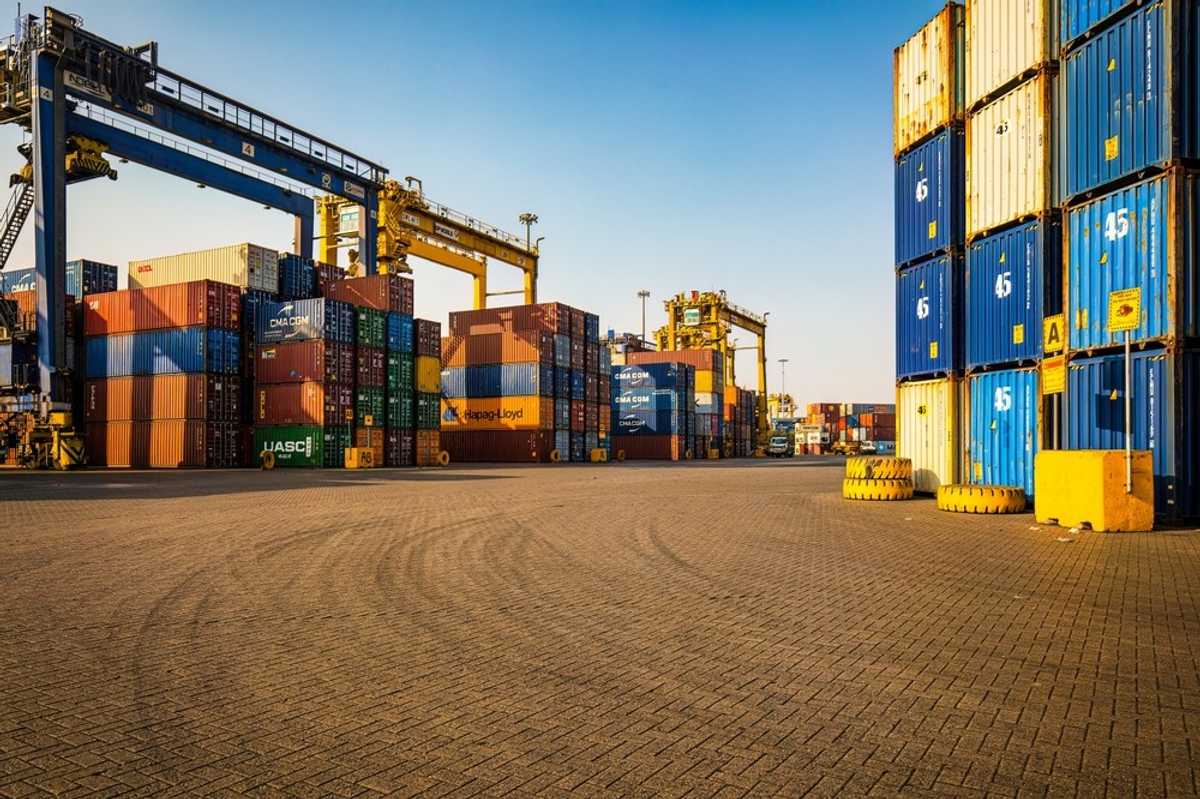
The United States has imposed a 10% tariff on imports from Pakistan after determining that Pakistan had not effectively enforced prohibitions on imports produced with forced labor, according to analysts.
The tariff took effect on July 24 and is expected to reduce the competitiveness of Pakistani exports in the U.S. market while having a manageable impact on the broader economy, analysts said.
The measure is part of a wider action by the Office of the U.S. Trade Representative, or USTR, covering more than 60 economies. Analysts said the decision was based on trade compliance considerations rather than geopolitical factors.
Pakistan was placed in the lower tariff tier, receiving a 10% duty compared with the 12.5% tariff imposed on many other countries.
Analysts said the additional duty is expected to weigh on Pakistan’s export-oriented sectors, including textiles, apparel, home textiles, leather products, surgical instruments and sporting goods. These industries account for a large share of Pakistan’s exports to the United States.
Exporters could face pressure on profit margins if they are unable to pass the higher tariff costs on to U.S. buyers, analysts said. They added that lower export receipts could modestly affect Pakistan’s foreign exchange earnings and current account balance.
Despite the challenges, analysts expect the broader macroeconomic impact to remain contained. They cited Pakistan’s diversified export destinations and the relatively lower tariff rate compared with several competing economies.
The development reflects an increasingly compliance-focused approach in U.S. trade policy, with regulatory enforcement taking precedence over broader strategic relationships, analysts said.
They said the decision indicates that compliance with labor and trade regulations remains a key factor in U.S. trade enforcement measures, despite Pakistan’s cooperation with the United States on regional security and economic reforms.
Analysts said Pakistan could reduce the impact of the tariff by strengthening labor standards and supply chain governance, engaging with the USTR to review its enforcement framework, and accelerating efforts to diversify exports into alternative markets.




Comments
See what people are discussing