

Iran denies negotiating with US after Trump announces talks
Iran denies negotiating with US talks announced by Trump, saying its only active discussions are with Oman over the Strait of Hormuz

News Desk
The News Desk provides timely and factual coverage of national and international events, with an emphasis on accuracy and clarity.
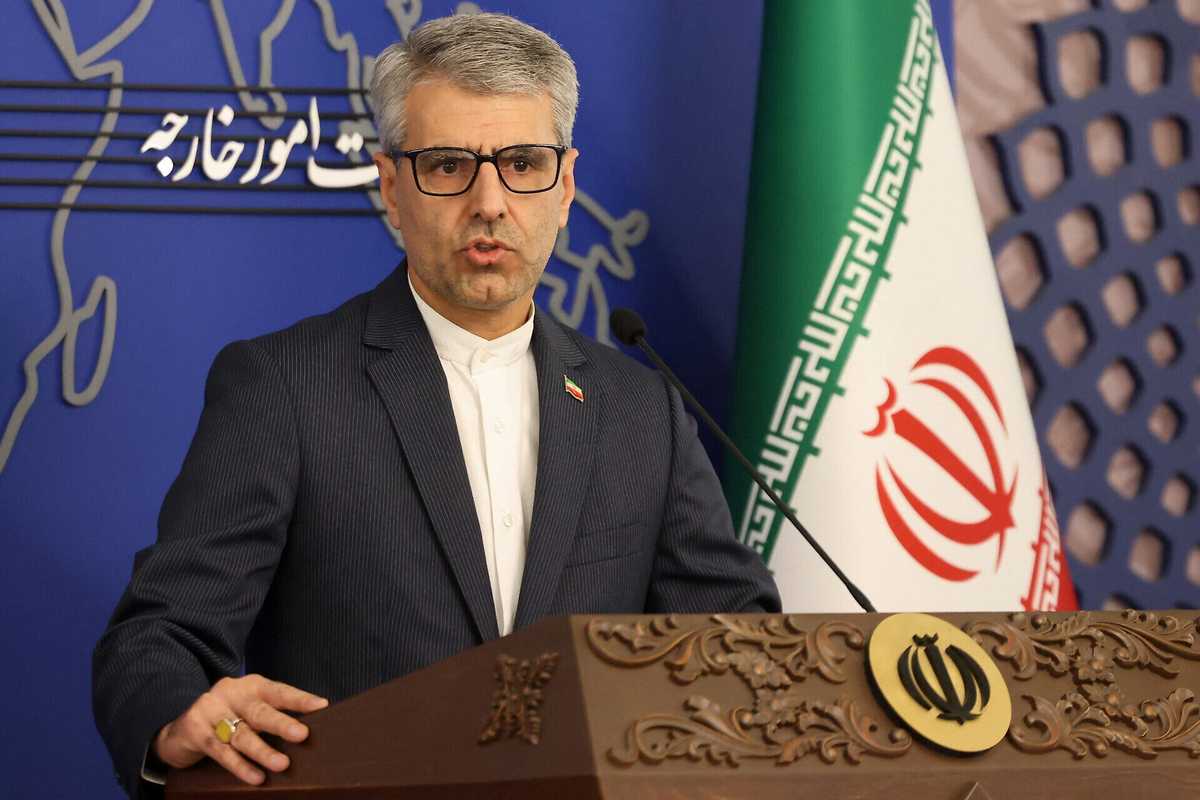
Iran denied on Monday that it is negotiating with the United States, hours after President Donald Trump said new talks would begin to end their six-month war. Foreign ministry spokesman Esmaeil Baqaei said Tehran's only active talks are with Oman, focused on securing safe passage through the Strait of Hormuz.
Is Iran negotiating with the United States?
No. Iran's foreign ministry says it is not currently negotiating with the United States. Tehran's only ongoing talks are with Oman, aimed at reaching a Hormuz route acceptable to both sides. The denial came directly after Trump said talks with the US would resume on Monday.
"We are not currently negotiating with the United States. Our negotiations are with Oman to secure passage through the Strait of Hormuz," Baqaei told a weekly press briefing. Washington and Tehran have been at war since February 28, when the US and Israel launched surprise strikes on Iran. Months of on-off diplomacy have produced only brief periods of calm since then.
Why is the Strait of Hormuz central to the dispute?
The Hormuz shipping route is the main sticking point in efforts to end the war. Iran has obstructed vessels attempting to pass through the corridor and has fired on commercial ships. Before the war, ships moved freely through the strait.
Iran now insists on retaining control of the route and charging fees, a demand the US rejects. Tehran has also refused to let ships use any path other than one hugging the Iranian coast. On Sunday, Baqaei told state television that a deal was close on managing Hormuz jointly with Oman, which sits across the narrow waterway.
"We are now going to reach an understanding on a route acceptable to both sides, neither the northern route nor the southern route, but one that respects the sovereign rights of both sides and safeguards our national interests and security," he said. He insisted, however, that such an agreement would not mean reopening the strait. Separately, a tanker off the coast of Oman reported hearing a nearby explosion on Sunday, according to the United Kingdom Maritime Trade Operations Centre, though the ship and crew were reported safe.
What did Trump say about the new talks?
Trump told reporters the new round of talks would cover both the Strait of Hormuz and the denuclearization of Iran. He has said since the start of the conflict that the war was necessary to address Iran's nuclear program. Western nations accuse Tehran of seeking a nuclear weapon, though Iran maintains the program is entirely civilian.
"Now what we're doing is we're talking to them in the form of a negotiation. It begins tomorrow afternoon," Trump told reporters aboard Air Force One on Sunday. He gave no details on the venue or participants involved. Trump has repeatedly said a settlement is near, only for fighting to resume, and has previously issued stark warnings to Tehran before pivoting back to diplomacy.
Why did Trump hold off on new strikes?
Trump said last week he had threatened to hit Iran "very hard," reportedly weighing renewed attacks on energy infrastructure. He pulled back from that threat on Saturday, saying the "perimeters" of a deal were already in place. Trump said Iran, along with US partners Saudi Arabia, the United Arab Emirates and Qatar, had asked him to hold off on further strikes.
He claimed the planned attack would have been "the biggest attack since World War II." Iranian media denied that Tehran had asked Trump not to strike. The competing accounts reflect a broader pattern in the conflict, where each side has offered differing versions of the same moments.
Is the ceasefire between Iran and the US holding?
A previous ceasefire deal between the two sides collapsed last month. That agreement was meant to reopen the Strait of Hormuz to ships carrying energy exports from the Gulf to global markets. Iranian lawmaker Hassan Ghashghavi, spokesman for parliament's national security commission, said on Sunday that mediators are trying to revive the US-Iran memorandum of understanding reached in June.
That memorandum was not designed as a final peace deal but as a step toward broader negotiations, and it did include provisions on Hormuz. "They know that the main issue and, in fact, the key to the matter right now is the issue of the Strait of Hormuz, so yes, there is an exchange of views," Ghashghavi said. Iranian President Masoud Pezeshkian wrote on X that Iran "must strive to compel the enemy to remain committed to what it has signed."



Comments
See what people are discussing