

Iran military announces halt to attacks on Israel
Iran's military suspended operations against Israel on Monday but warned any further aggression would trigger a "more severe and crushing" response

News Desk
The News Desk provides timely and factual coverage of national and international events, with an emphasis on accuracy and clarity.
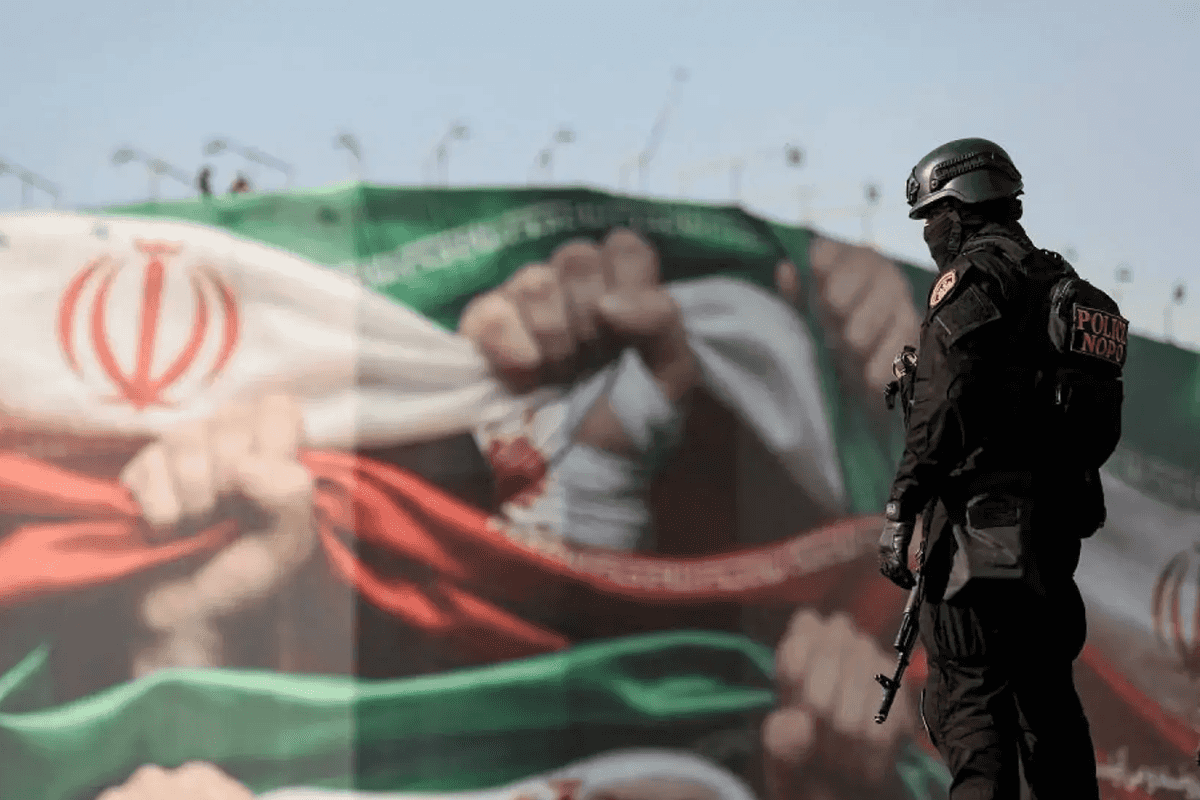
Iran’s military said it has halted operations against Israel but warned of harsher retaliation if attacks resume.
Reuters/File
Iran's armed forces announced a halt to military operations against Israel on Monday, warning that any renewed Israeli attacks, particularly in Lebanon, would trigger a far more forceful response.
The announcement came after a day of fresh strikes between the two countries, the first since a ceasefire took effect on April 8, pushing oil prices up around 4%.
Why did Iran announce a halt to attacks on Israel?
Iran's Khatam al Anbiya Central Headquarters said operations against Israel had ceased for now, but cautioned that any further "aggressions and provocations" would be met with "more severe and crushing" action.
The suspension followed a fresh exchange of strikes that threatened to unravel ongoing diplomatic efforts, prompting US President Donald Trump to publicly demand both sides stop.
What did Trump say about the Iran-Israel exchange of fire?
Trump posted on Truth Social demanding that Israel and Iran "immediately stop 'shooting'", a day after urging Israeli Prime Minister Benjamin Netanyahu to avoid actions that could jeopardize diplomacy.
According to Axios, Trump told Netanyahu during a Sunday phone call that "we are close to doing something good in terms of a deal" and pressed him to avoid further escalation. The White House and Netanyahu's office did not immediately comment.
Despite those appeals, both sides signaled readiness for a prolonged confrontation. An Israeli military official said the country was prepared for a range of scenarios, whether lasting several days or "as long as it takes." A military source quoted by Iran's Tasnim news agency said Tehran was likewise prepared for a long conflict and for potential strikes against US interests in the region.
What did Israel and Iran strike during the latest exchange?
Israel said it targeted facilities at Iran's Mahshahr petrochemical complex used to produce and export raw materials for Iran's missile program. Iranian officials acknowledged parts of the site had sustained damage. Israel also said its forces struck Iranian air defense systems being rebuilt after earlier attacks.
Iran's Islamic Revolutionary Guard Corps said it had targeted the Ramat David air base near Nazareth and the Haifa petrochemical facility. Israel confirmed incoming missile launches but said its air defense systems intercepted the projectiles. According to an Israeli military official, Iran launched nearly 30 ballistic missiles since Sunday evening, while Yemen's Houthi rebels fired two additional missiles.
What is the diplomatic situation between Iran and the US?
Iranian Foreign Ministry spokesperson Esmaeil Baghaei said Tehran was still exchanging messages with Washington through Pakistani mediation, but described the atmosphere as one of "extreme suspicion."
He argued that Israel's actions in Lebanon were designed to derail diplomatic efforts, regardless of whether they carried US approval. "The United States bears direct responsibility for any action the Zionist regime takes in relation to violating regional peace and security against Iran," he said.
Iranian media also reported explosions in Tehran later on Monday, with the semi-official Mehr news agency saying air defences had intercepted a drone over the capital. No casualties or damage were immediately reported.
Why is Lebanon a sticking point in Iran-Israel ceasefire talks?
Lebanon remains a central obstacle in broader negotiations. Israel has insisted its military campaign against Hezbollah should be treated separately from any arrangement involving Iran, while Tehran has maintained that any peace deal with Washington must include a durable ceasefire there. Hezbollah has said it will not disarm unless Israel halts operations and withdraws from Lebanese territory.
Israel launched its current campaign in Lebanon in March, targeting Hezbollah fighters along the border. The strikes on Hezbollah strongholds in Beirut over the weekend triggered Iran's latest missile barrages, marking the first such Israeli attacks since Washington unveiled a Lebanon truce proposal the previous week. In a sign that talks have not entirely stalled, US Ambassador to Lebanon Michel Issa said Lebanese-Israeli negotiations were scheduled to resume in Washington.
What are the broader economic stakes of the Iran-Israel conflict?
Sporadic flare-ups have continued across the Gulf despite the April ceasefire, and Iran has largely blocked shipping through the Strait of Hormuz, a route that previously carried roughly a fifth of the world's crude oil and liquefied natural gas exports. The United States has maintained restrictions on Iranian ports. The latest exchange pushed oil prices up around 4%, underscoring the conflict's impact on global energy markets.
Yemen's Iran-aligned Houthis also announced a ban on Israeli maritime navigation in the Red Sea and claimed responsibility for their first missile attack on Israel since the April 8 ceasefire, widening the conflict's regional footprint. Trump has said any final settlement must prevent Iran from developing a nuclear weapon. Tehran is seeking sanctions relief, access to frozen assets, and recognition of its influence over the Strait of Hormuz.


Comments
See what people are discussing