

Pakistan issues new rules for transit trade to Iran
Order sets routes, customs requirements under bilateral transport pact

Business Desk
The Business Desk tracks economic trends, market movements, and business developments, offering analysis of both local and global financial news.
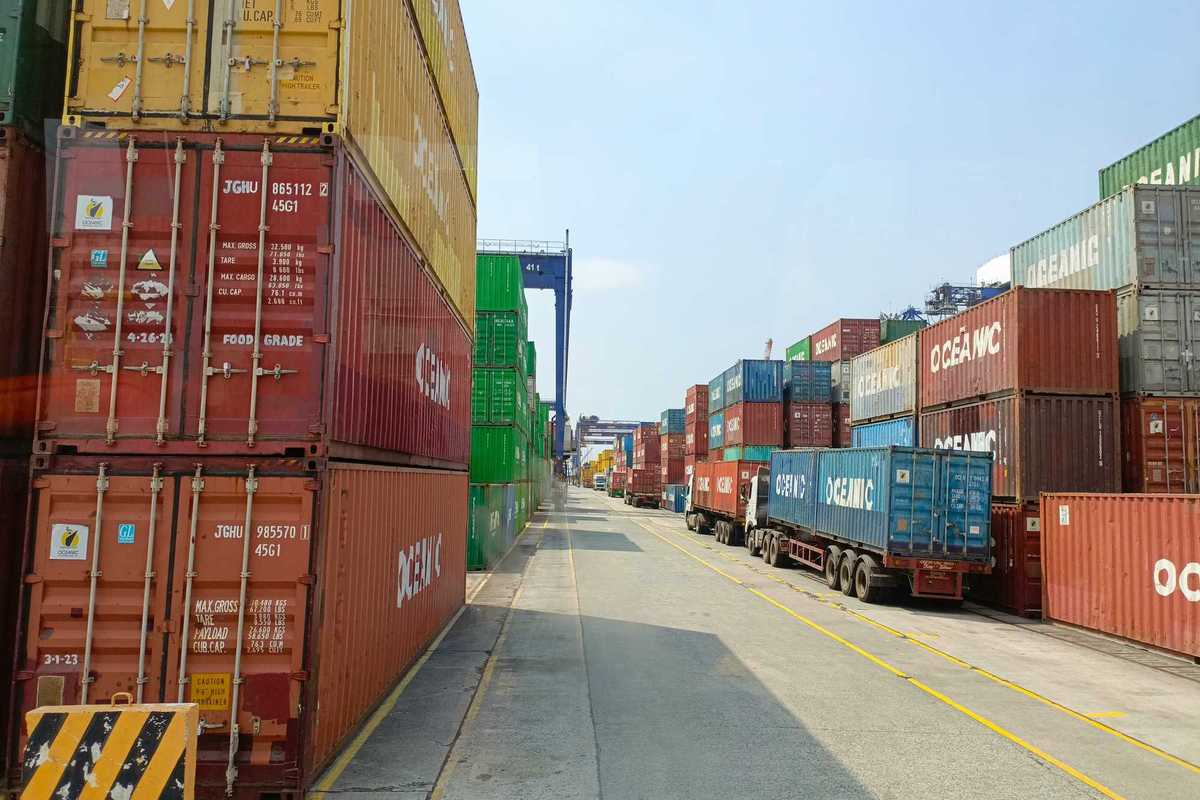
The federal government has issued a new order regulating the transit of goods through Pakistan to Iran, citing a bilateral agreement between the two countries on road transport.
The order, titled the “Transit of Goods through Territory of Pakistan Order 2026,” took immediate effect, according to an official notification. It was issued under powers granted by the Imports and Exports (Control) Act of 1950 and in line with a 2008 agreement between Pakistan and Iran on the international transport of passengers and goods by road.
The directive outlines procedures and definitions governing the movement of transit goods across Pakistan’s territory when shipments originate in a third country and are destined for Iran.
Key provisions include definitions of terms such as “cross stuffing”, described as the transfer of goods between containers or modes of transport in accordance with customs laws, and “customs security”, which refers to a financial guarantee equivalent to applicable import levies. The order also defines “shipper”, “transit”, and “transit transport corridor”.
Under the order, transit goods must be transported along designated routes. These include corridors linking Gwadar to Gabd, Karachi and Port Qasim through coastal and inland routes to Gabd and Taftan, as well as multiple pathways passing through cities such as Khuzdar, Quetta and Turbat.
The government said all cargo transported under the order will be subject to the Customs Act of 1969, relevant rules, and procedures set by the Federal Board of Revenue.
Officials said the move is aimed at facilitating regional trade while ensuring compliance with customs regulations.





Comments
See what people are discussing