

Pakistan commits to no new fuel subsidies, fiscal incentives under IMF programme
MF report says Islamabad commits to debt reduction, market-based reforms and tighter oversight of foreign exchange and financial sectors

Business Desk
The Business Desk tracks economic trends, market movements, and business developments, offering analysis of both local and global financial news.
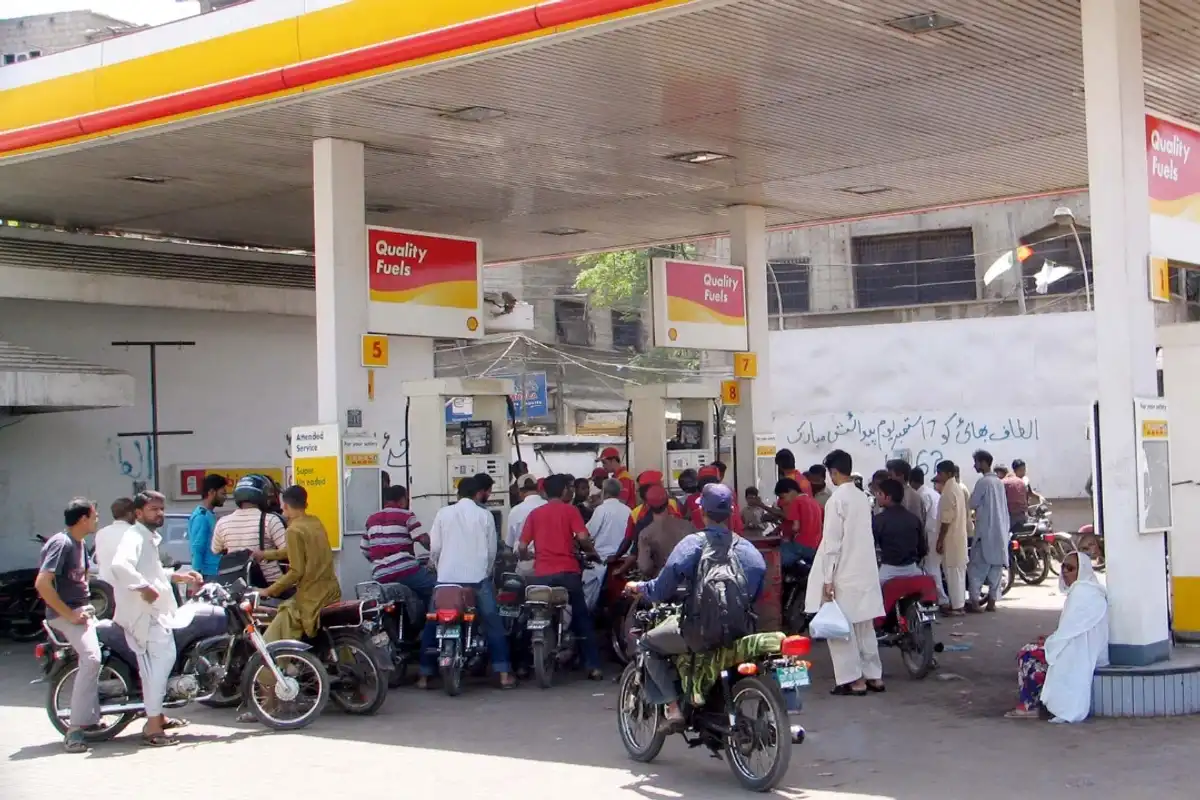
Pakistan has assured the International Monetary Fund that it will not introduce fuel subsidies or cross-subsidy schemes under the country’s ongoing IMF-supported economic programme, according to the lender’s latest country report.
The report outlined a series of fiscal, monetary, financial and social sector commitments by Islamabad aimed at preserving macroeconomic stability and ensuring compliance with programme conditions.
Under its fiscal commitments, the government pledged to use any windfall profits from dividends paid by the State Bank of Pakistan exceeding 1% of gross domestic product to reduce borrowing and retire debt rather than increase spending.
Pakistan also agreed not to introduce new fuel subsidies or cross-subsidy arrangements as authorities seek to avoid additional fiscal pressures and maintain energy sector pricing reforms.
The IMF report said the government further committed to refraining from offering new fiscal incentives or guaranteed returns in any currency to firms or investment projects.
Authorities also pledged to publish semiannual reports on debt management strategy, including updates on implementation and outlook.
In the social sector, Pakistan committed to continuing inflation-linked adjustments in unconditional cash transfer benefits to protect the purchasing power of vulnerable households.
The government also agreed to revise cash transfer benefits whenever new household surveys are released, with the aim of maintaining transfers equivalent to 15% of consumption for the lowest-income quintile.
In foreign exchange management, Pakistan agreed to limit the State Bank’s net foreign exchange sales and consult the IMF if gross sales exceed USD 200 million during any rolling 30-day period.
The central bank will continue publishing monthly foreign exchange intervention data with a three-month lag and will announce six-month reserve targets and government foreign-currency debt servicing obligations twice a year, the report said.
The IMF report also highlighted commitments to strengthen financial sector oversight, including implementation of the Securities and Exchange Commission of Pakistan’s five-year strategic plan for the insurance sector and reforms to improve bank resolution and crisis management frameworks.
Analysts said the commitments reflect Pakistan’s continued focus on fiscal discipline, market-based reforms and structural adjustments under the IMF programme.





Comments
See what people are discussing