

Pakistan's trade deficit hits $4.1B in April, highest since June 2022
Imports jumped 28.41% due to higher global oil prices

Business Desk
The Business Desk tracks economic trends, market movements, and business developments, offering analysis of both local and global financial news.
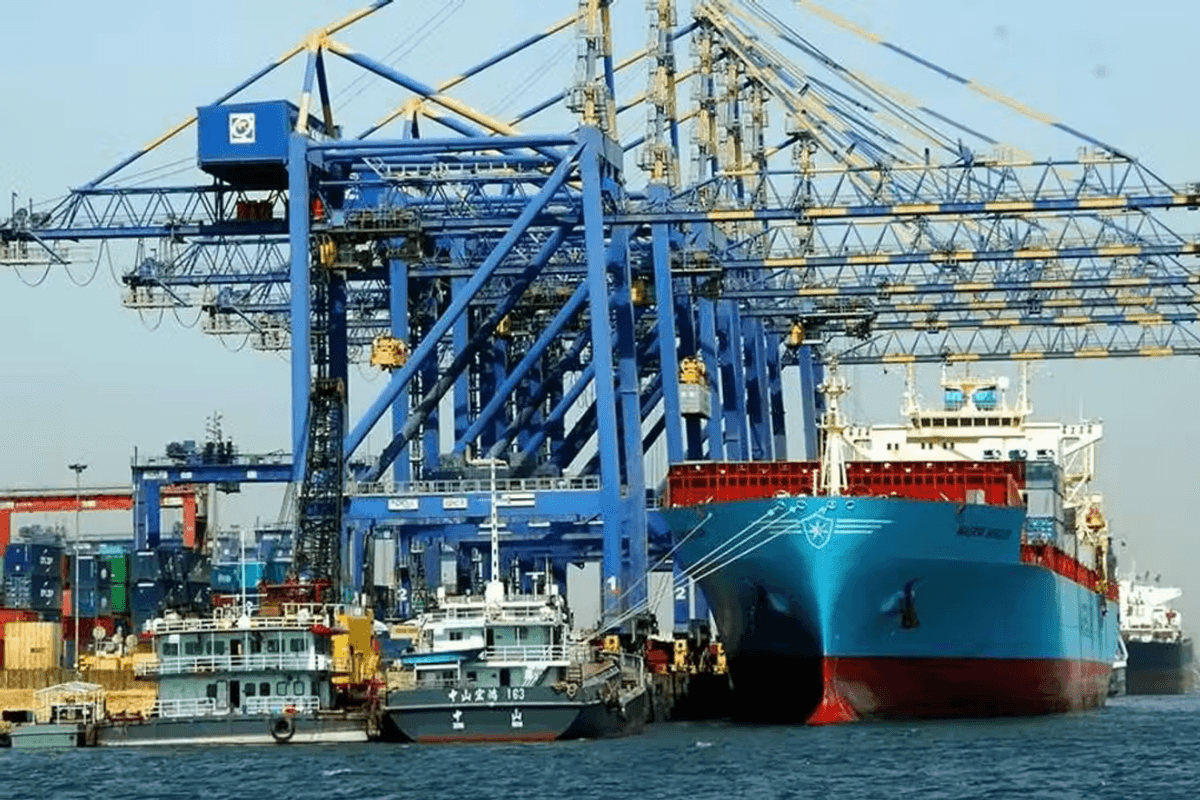
Pakistan's trade deficit widened to $4.07 billion in April 2026, the highest level since June 2022, as imports surged sharply while exports posted only a modest recovery.
The deficit expanded 43.5% from $2.84 billion in March, according to data from the Pakistan Bureau of Statistics.
What is Pakistan's trade deficit in April 2026?
The deficit was up 3.82% from $3.92 billion in April 2025.
Imports reached $6.55 billion, rising 28.41% month-on-month from $5.10 billion in March. Exports rose to $2.48 billion, a 9.5% increase from $2.26 billion in March, but were insufficient to offset the import surge.
How did exports and imports perform in April 2026?
On an annual basis, exports grew 14.03% from $2.17 billion in April 2025. Imports rose 7.46% from $6.1 billion in the same month last year.
Despite stronger year-on-year export growth, the overall trade gap still widened because of the higher import bill. The disproportionate increase in imports drove the deficit to its widest level in nearly four years.
The spike in imports was driven in part by a steep rise in fuel costs linked to the US-Iran conflict.
Global oil prices and freight charges rose sharply during this period, pushing up Pakistan's petroleum import bill.
The government spent an estimated $4 billion on petroleum imports in the current fiscal year, and petrol and diesel prices at the pump reached PKR 400 per liter in April, up 42% over two months.
What is Pakistan's cumulative trade deficit for FY2026?
For the first ten months of the fiscal year, from July through April, exports totaled $25.21 billion, down 6.25% from $26.89 billion in the same period last year. Imports rose 6.94% to $57.20 billion from $53.49 billion a year earlier.
The cumulative trade deficit reached $31.99 billion, a 20.28% increase from $26.59 billion in the corresponding period of the previous fiscal year. The widening gap reflects persistent pressure on Pakistan's external account.
What do economists say about Pakistan's widening trade gap?
Analysts warned that the surge in imports, particularly in energy and industrial inputs, reflects demand pressures that export growth has not been strong enough to offset. One analyst said that without structural reforms to boost export competitiveness, the balance of payments will remain under strain.
Another economist cautioned that the trend could complicate macroeconomic stability. The pace of export recovery remains insufficient relative to import growth, and the imbalance will continue to pressure foreign exchange reserves and the currency if not addressed through policy adjustments.




Comments
See what people are discussing