

Pakistan is giving PKR 125B subsidy on fuel. How long can it go?
After increasing petrol and diesel prices by PKR 55 on March 6, the government has not increased the prices for three weeks despite higher global rates

Abdul Moiz
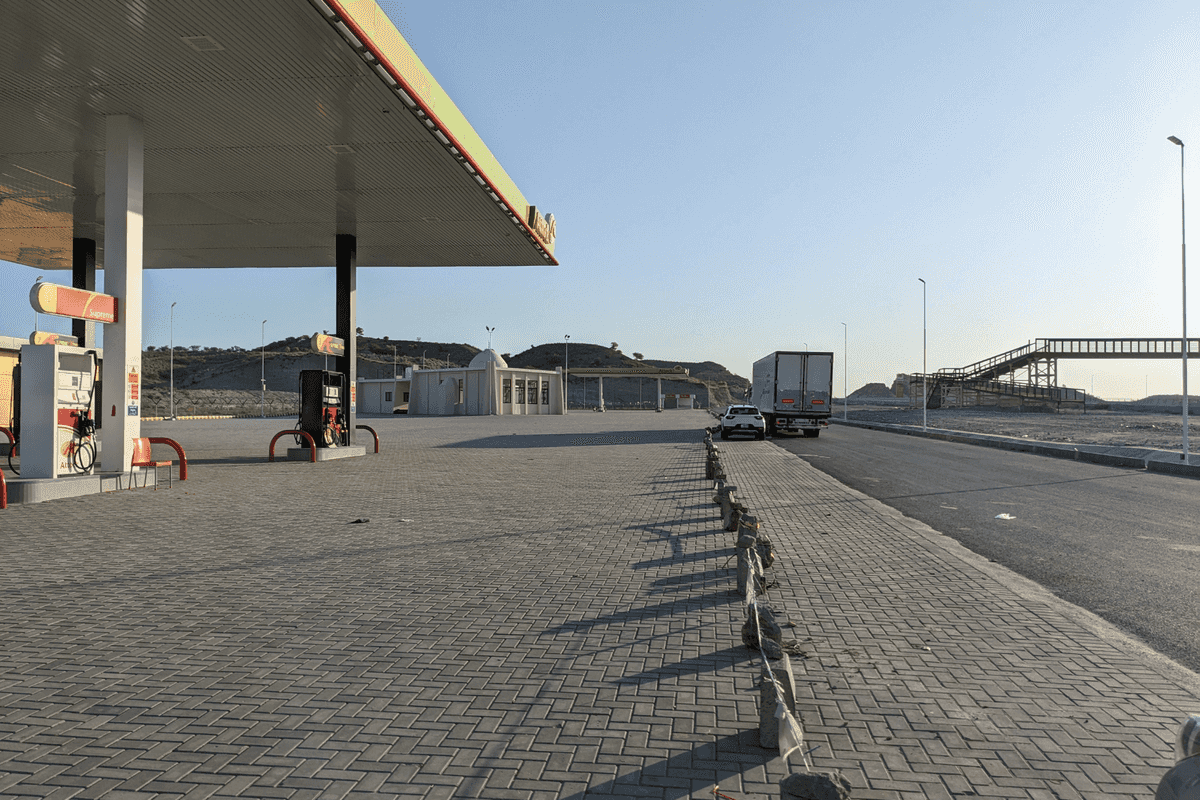
A petrol station in Pakistan
At petrol pumps across Pakistan, an invisible, but unusual largesse is being provided to rich and poor alike.
The largesse is in the form of PKR 203.9 per liter subsidy on diesel and PKR 95.6 per liter on petrol, available to rich – filling tanks of their land cruisers to the cap – and the poor trying to get through their day on fuel of a mere hundreds of rupees in their motorcycles.
In the week starting on March 28, the Pakistan government will provide a subsidy of PKR 56 billion on petrol and diesel. Add to it the PKR 69 billion subsidy already provided, and the total comes to PKR 125 billion in three weeks.
The subsidy has been necessitated by the steep rise in global oil prices after the US and Israel launched attacks on Iran on February 28 and the subsequent closure of the Strait of Hormuz – the key waterway for global energy shipments.
Fuel prices in Pakistan are determined based on the average Platts benchmark prices of petrol and diesel during the pricing period. On March 1, the benchmark was PKR 179.54 per liter for diesel and PKR 153.50 for petrol. By March 28, it increased to PKR 461.11 for diesel and 284.54 for petrol – an increase of 157% and 85% respectively.
In comparison, Pakistan has increased retail prices of petrol and diesel by PKR 55 per liter since March 1 – a mere 21% hike for petrol and 20% for diesel.
The government has already cut the development budget by PKR 100 billion to finance fuel subsidies. The amount will be paid by the Oil and Gas Regulatory Authority (OGRA) to oil marketing companies as price differential claims.
However, by March 27, the total subsidy had exceeded the amount allocated to finance it.
Experts claim that the government doesn’t have the fiscal space to keep providing fuel subsidies and it will have to eventually pass on the impact to consumers, especially when Pakistan is in an IMF loan program.
In its statement, after the staff-level agreement with Pakistan on the third review of the loan program – which unlocked USD 1.2 billion – the IMF said energy price subsidies should be “avoided” because of their “regressivity, high fiscal costs, and distortionary impact”.


Comments
See what people are discussing