

Saudi Arabia explores non-aggression pact with Iran modelled on Helsinki Accords: report
Saudi Arabia has floated a Helsinki-style non-aggression framework involving Iran and Middle Eastern states as part of post-war regional security discussions

News Desk
The News Desk provides timely and factual coverage of national and international events, with an emphasis on accuracy and clarity.
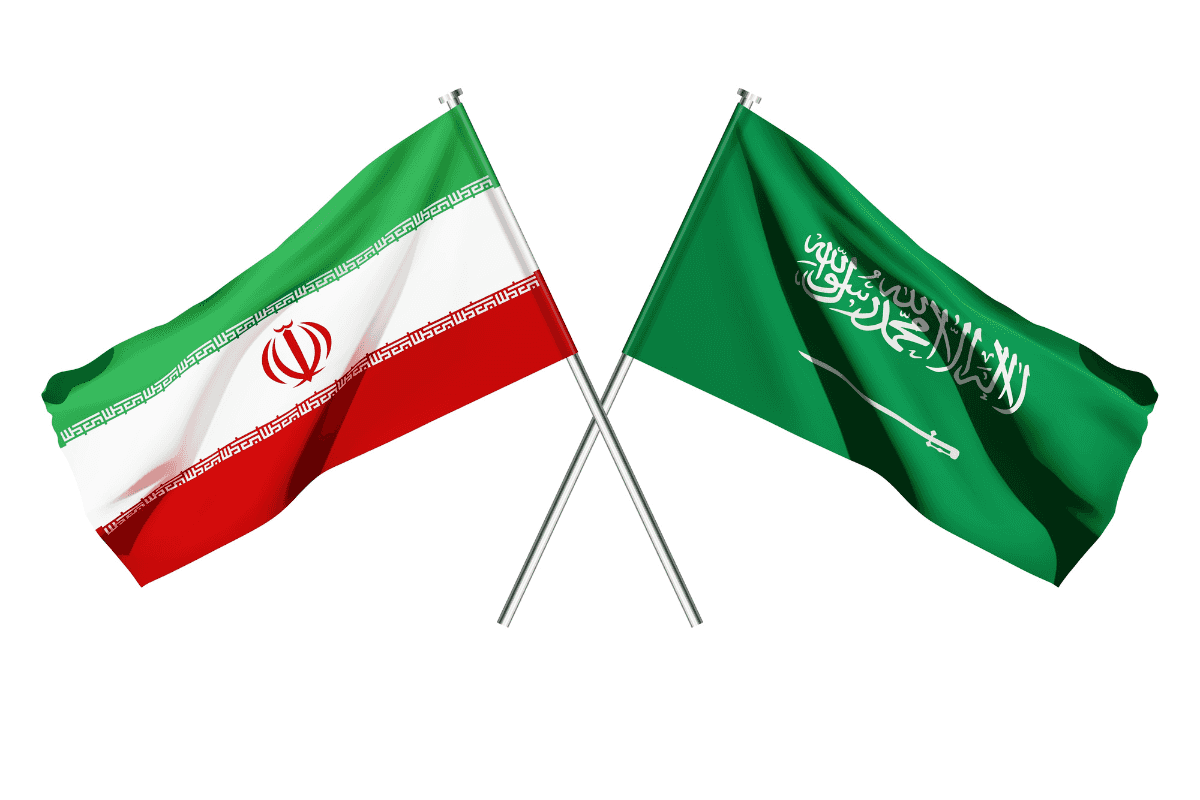
Riyadh has floated the concept as one of several options aimed at reducing the risk of future escalation.
Saudi Arabia has discussed the possibility of a regional non-aggression arrangement involving Iran and other Middle Eastern states, as part of broader consultations on stabilizing the region after the U.S.-Israeli war with Tehran, the Financial Times reported, citing diplomats familiar with the talks.
Riyadh has floated the concept as one of several options aimed at reducing the risk of future escalation. The proposal draws conceptual inspiration from the 1970s Helsinki Process.
What is Saudi Arabia's proposed non-aggression framework with Iran?
Saudi Arabia is exploring a structured regional arrangement that would establish security assurances and reduce direct confrontation among rival powers in the Middle East.
The concept is modelled on the Helsinki Accords, signed in 1975 between Western states and the Soviet bloc, which eased Cold War tensions through mutual security guarantees and structured cooperation. The proposal remains at an exploratory stage and is one of multiple frameworks under consideration.
Why is Saudi Arabia pushing for a post-war security framework?
Gulf states have grown increasingly concerned about the long-term regional balance following the conflict, with some officials wary that a weakened but more assertive Iran could remain a source of instability once hostilities subside.
Regional positions remain divided, with differing strategic priorities among Gulf states including Saudi Arabia and the UAE, as well as varying approaches to relations with Iran and Israel. The proposal reflects a broader reassessment of Middle Eastern security arrangements among regional powers.
European governments and EU institutions have reportedly expressed interest in the concept, viewing it as a potential mechanism to reduce future conflict and establish reciprocal security assurances. Parallel diplomatic channels involving the United States and Iran are also ongoing, focused primarily on nuclear-related issues. Broader regional security concerns, including missile capabilities and non-state armed groups, remain outside the scope of those talks.
What is the Helsinki Process and why is it relevant to the Middle East?
The Helsinki Accords, signed in 1975, brought together Western nations and the Soviet bloc to establish shared security principles, reduce tensions and create structured channels for cooperation during the Cold War.
The model has periodically been referenced in discussions about Middle Eastern security, particularly around establishing mutual guarantees between rival powers. Saudi Arabia's proposal applies that framework to the current regional context, with Iran as the central counterpart.
An Arab diplomat cited in the Financial Times report said a structured non-aggression framework could attract broad support among Arab and Muslim states. However, its effectiveness would depend on the participation of key regional actors and the scope of commitments involved. No formal agreement or framework is yet in place, and officials caution that discussions remain at an early stage.
What other diplomatic tracks are running alongside the Saudi proposal?
Saudi Arabia and several regional partners have intensified engagement with alternative diplomatic channels, including Pakistan-led mediation efforts and emerging trilateral and multilateral cooperation formats. U.S.-Iran talks continue separately, with a narrower focus on nuclear issues. The Saudi non-aggression proposal sits alongside, rather than within, those existing channels.
The broader diplomatic effort reflects shifting regional calculations after years of fluctuating tensions involving Iran and Israel.
Riyadh's willingness to explore a structured framework with Tehran marks a notable development in a relationship that has swung between confrontation and cautious engagement. Officials say the discussions reflect a genuine effort to shape a more stable post-conflict order, though the path to any formal agreement remains uncertain.




Comments
See what people are discussing