

Israel, Lebanon extend ceasefire by 45 days as Washington talks conclude
Israel and Lebanon agreed to extend their ceasefire by 45 days after US-facilitated talks in Washington concluded Friday, with new security and political negotiations scheduled for late May and June

News Desk
The News Desk provides timely and factual coverage of national and international events, with an emphasis on accuracy and clarity.
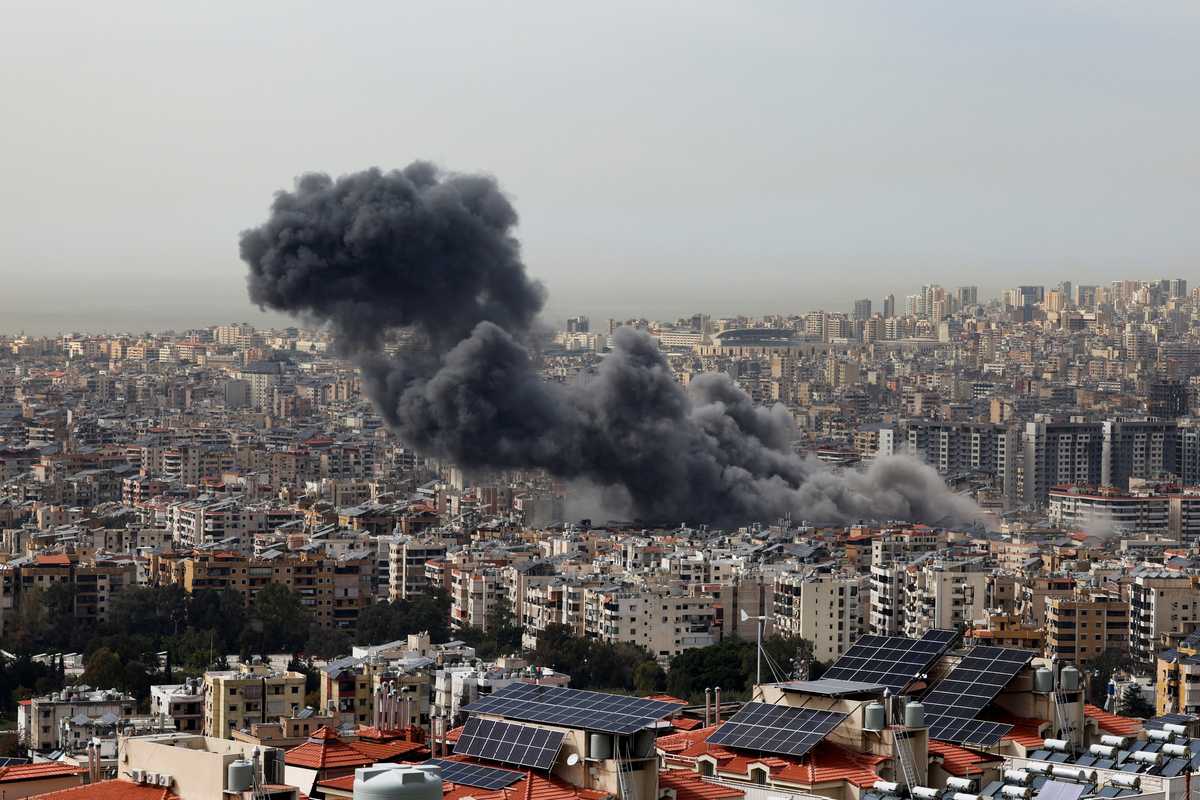
Israel and Lebanon agreed on Friday to extend a ceasefire by 45 days after two days of US-facilitated talks in Washington concluded with an agreement to hold further meetings, Reuters reported.
The ceasefire, which was set to expire on Sunday, has reduced fighting between Israel and Iran-backed Hezbollah in southern Lebanon since April 16.
What does the Israel-Lebanon ceasefire extension mean?
The 45-day extension keeps a fragile halt to hostilities in place while diplomats work toward a broader peace agreement. The State Department described the Washington talks as "highly productive."
Both sides agreed to meet again in the coming weeks, with separate security and political tracks now formally underway.
Why did Israel and Lebanon agree to extend the ceasefire?
State Department spokesperson Tommy Pigott announced the extension on X, saying the April 16 cessation of hostilities would continue "to enable further progress." Lebanon's delegation has prioritized ending hostilities entirely, while Israel has insisted that Hezbollah must be disarmed as part of any lasting peace deal.
Despite the ceasefire, both sides have continued to exchange fire, with hostilities concentrated in southern Lebanon, where Israeli forces occupy a self-declared security zone.
What role is Washington playing in the Israel-Lebanon talks?
The Washington meetings represent the highest-level contact between Lebanon and Israel in decades. Pigott announced that a new security track would launch at the Pentagon on May 29, while the State Department will host both sides again on June 2 and 3 for a political track of negotiations.
The US-led mediation is running in parallel to separate diplomacy aimed at resolving the broader US-Iran conflict, and Iran has cited ending Israel's war in Lebanon as a condition for any wider deal.
Lebanon wants hostilities to cease
Lebanon's delegation is attending the talks despite objections from Hezbollah, and has pushed consistently for a full cessation of hostilities.
In a statement, the delegation said the ceasefire extension and the new US-facilitated security track provided "critical breathing space" for Lebanese citizens and offered a pathway toward lasting stability. Israel's ambassador to the US, Yechiel Leiter, called the talks "frank and constructive," adding that the security of Israeli citizens and soldiers would remain the priority throughout negotiations.
Israel's bombing campaign and ground invasion into southern Lebanon displaced some 1.2 million people before US President Donald Trump announced the initial ceasefire last month, following early talks between the two countries' ambassadors in Washington.
The extension keeps that fragile arrangement alive while both sides test whether a durable agreement is within reach.





Comments
See what people are discussing