

Pakistan repatriates 11 Pakistanis and 20 Iranians seized aboard US-intercepted vessels
Pakistan secured the repatriation of 31 nationals from US-seized vessels via Singapore and Thailand, FM Ishaq Dar confirmed.

News Desk
The News Desk provides timely and factual coverage of national and international events, with an emphasis on accuracy and clarity.
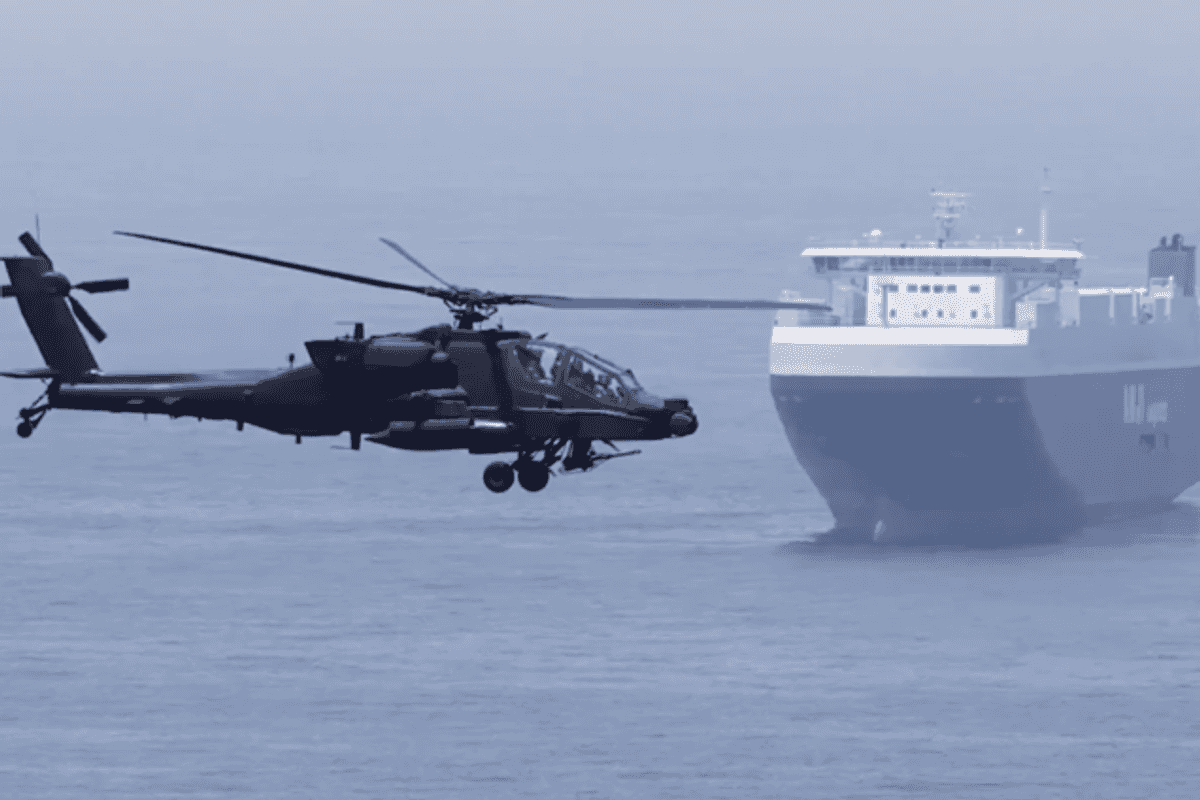
Pakistan secured the repatriation of 31 people, including 11 Pakistani and 20 Iranian nationals, who were aboard vessels seized by the United States in international waters, Deputy Prime Minister and Foreign Minister Ishaq Dar announced on Friday. The move reinforces Islamabad's role as a diplomatic go-between in the ongoing U.S.-Iran standoff.
How did Pakistan secure the repatriation of nationals from U.S.-seized vessels?
Pakistan coordinated the transfer through Singapore and Thailand, with all individuals traveling from Singapore to Bangkok before boarding a flight to Islamabad. Dar confirmed the operation on X, saying all 31 people were in good health.
Alhamdolillah, I am pleased to share that we have been successful in the repatriation of 11 Pakistani nationals, alongside 20 nationals of our brotherly country Iran, through Singapore, who were aboard vessels seized in the high seas by the United States.
All individuals are in…
— Ishaq Dar (@MIshaqDar50) May 15, 2026
He thanked Singapore's Foreign Minister Vivian Balakrishnan, U.S. Secretary of State Marco Rubio, and Thai Deputy Prime Minister Sihasak Phuangketkeow for their roles in facilitating the process.
What happened to the Iranian nationals after arriving in Pakistan?
Dar said the 20 Iranian nationals would be facilitated onward to Iran after landing in Islamabad. He also thanked Iranian Foreign Minister Abbas Araghchi for trusting Pakistan to handle the repatriation of Iranian citizens. The welfare of Pakistanis abroad, Dar said, remains the government's highest priority.
What was Pakistan's earlier role in the MV Touska repatriation?
This operation follows a similar effort earlier in May, when Pakistan facilitated the evacuation of 22 Iranian crew members held aboard the seized Iranian container ship MV Touska. Pakistan's Foreign Ministry said those crew members were flown to Pakistan before being handed to Iranian authorities. The ministry added that the MV Touska would be returned to Pakistani territorial waters for repairs before being handed back to its owners.
What is the broader context behind the U.S. seizure of Iranian-linked vessels?
The repatriations come against the backdrop of the joint U.S.-Israeli offensive against Iran launched on February 28, which triggered retaliatory Iranian strikes on Israel and regional countries hosting U.S. military assets.
Pakistan brokered a two-week ceasefire on April 8 and later hosted the highest-level U.S.-Iran talks since the 1979 Iranian Revolution, though those negotiations ended without an agreement. Despite the ceasefire holding, the United States continued intercepting Iranian-linked vessels while Iran restricted nearly all non-Iranian shipping through the Strait of Hormuz after President Donald Trump imposed a separate blockade on Iranian ports.
The Strait of Hormuz handles roughly one-fifth of global oil and liquefied natural gas shipments. Disruption to the waterway triggered sharp increases in global energy prices. Pakistan's continued facilitation of crew transfers has kept Islamabad at the center of diplomatic efforts to manage the crisis.




Comments
See what people are discussing