

UAE
UAE GDP reaches AED961.9 billion in H1 2026, non-oil GDP up 1.8%
UAE GDP hit AED961.9 billion in the first half of 2026, up 0.4%. See how non-oil growth, the Q2 dip and top sectors shaped the results.
Oct 09, 2026
Oct 09, 2026
UAE GDP hit AED961.9 billion in the first half of 2026, up 0.4%. See how non-oil growth, the Q2 dip and top sectors shaped the results.
ADNOC Distribution's net profit rose 59% to $568 million in H1 2026 as fuel volumes hit a record high and the board approved a $175 million dividend
ADNOC has approved a $6.2 billion Abu Dhabi gas project, the Umm Shaif Gas Cap, developed with TotalEnergies, Eni and CNPC, to boost UAE gas output
The UAE has launched Jaywan, its first national payment card scheme, with banks and financial institutions nationwide beginning phased issuance to customers
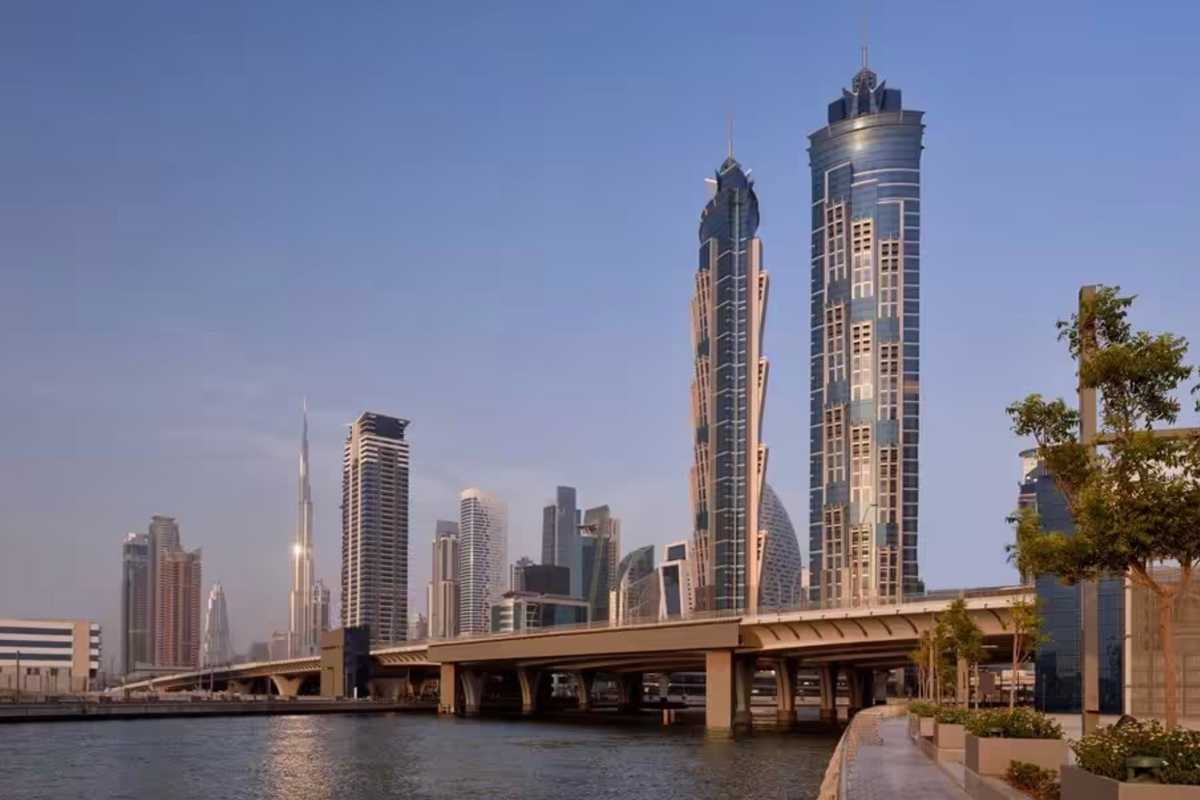
FPCCI seeks easier business visas and stronger logistics cooperation with Dubai, saying the steps can significantly boost bilateral trade.

IMF says the UAE economy stays resilient in 2026 despite Middle East conflict, with growth rebounding strongly in 2027.
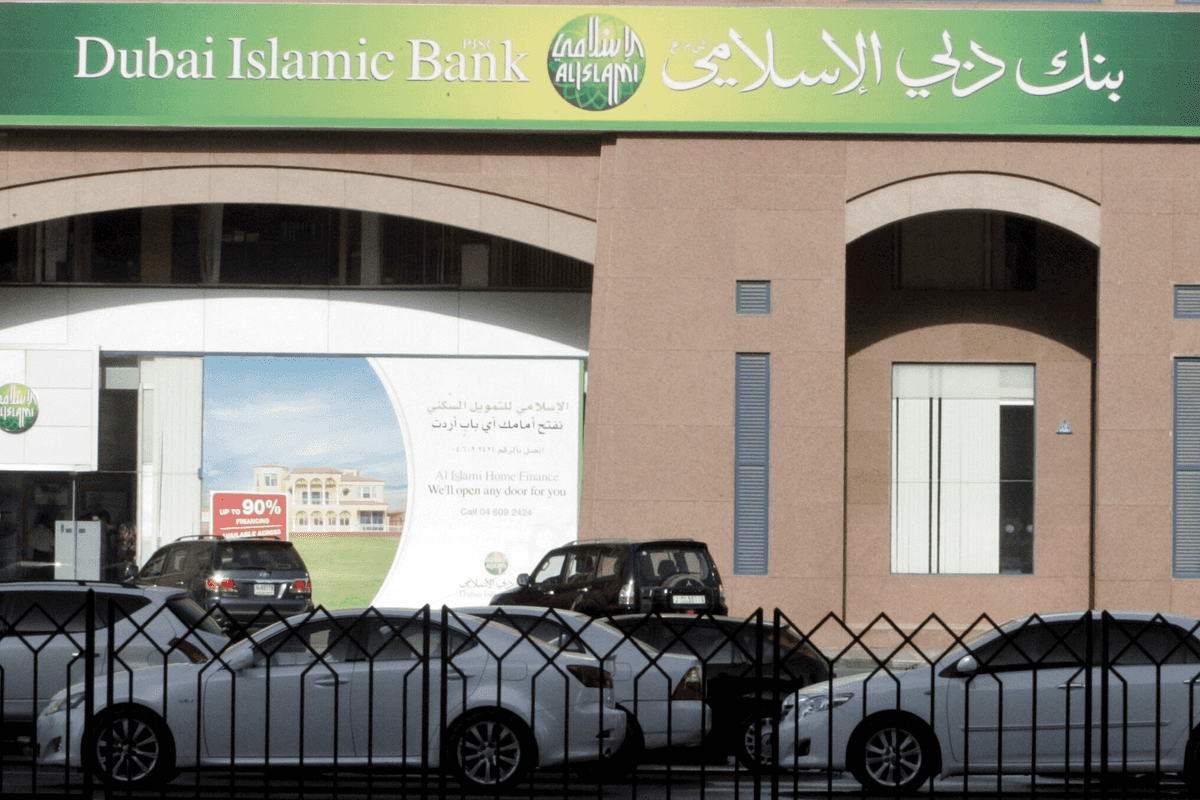
Dubai Islamic Bank net profit held steady at AED3.74 billion in H1 2026 as gross revenue climbed 10% year-on-year to AED12.4 billion.
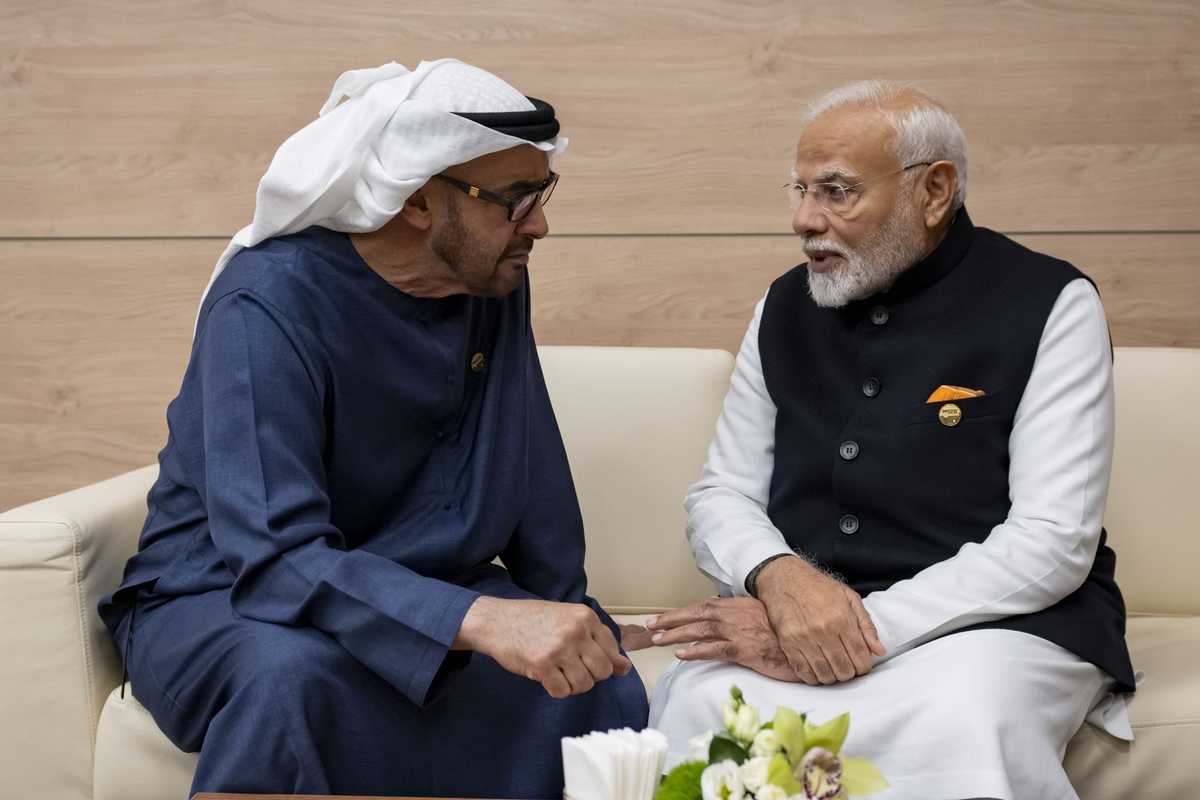
Adani Group and UAE's IHC sign pact for $11.5 billion aluminium project in Odisha, India's largest FDI in metallurgy.
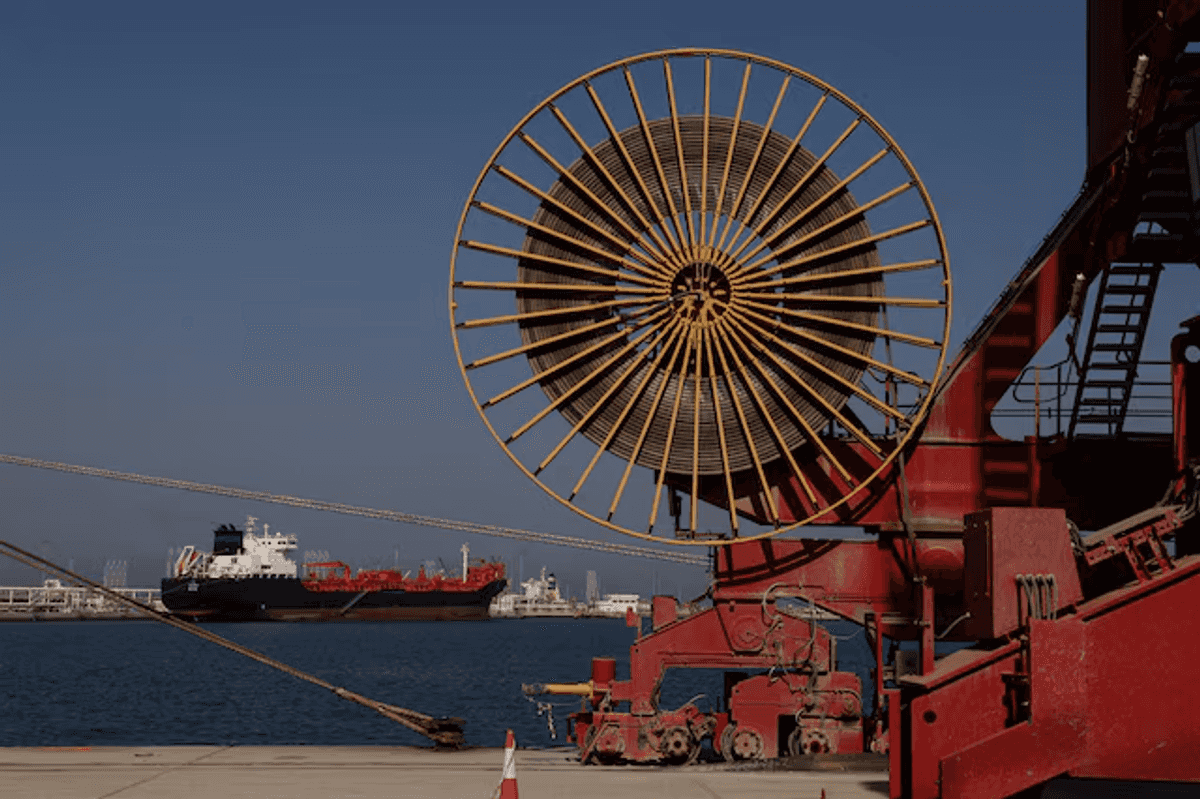
UAE oil exports hit a record 3.7 million barrels a day in June, ship-tracking data shows, two months after Abu Dhabi's exit from OPEC and amid a supply ramp-up.

The UAE Federal Tax Authority is using AI to automate VAT refunds, accelerate processing and overhaul tax compliance through EmaraTax
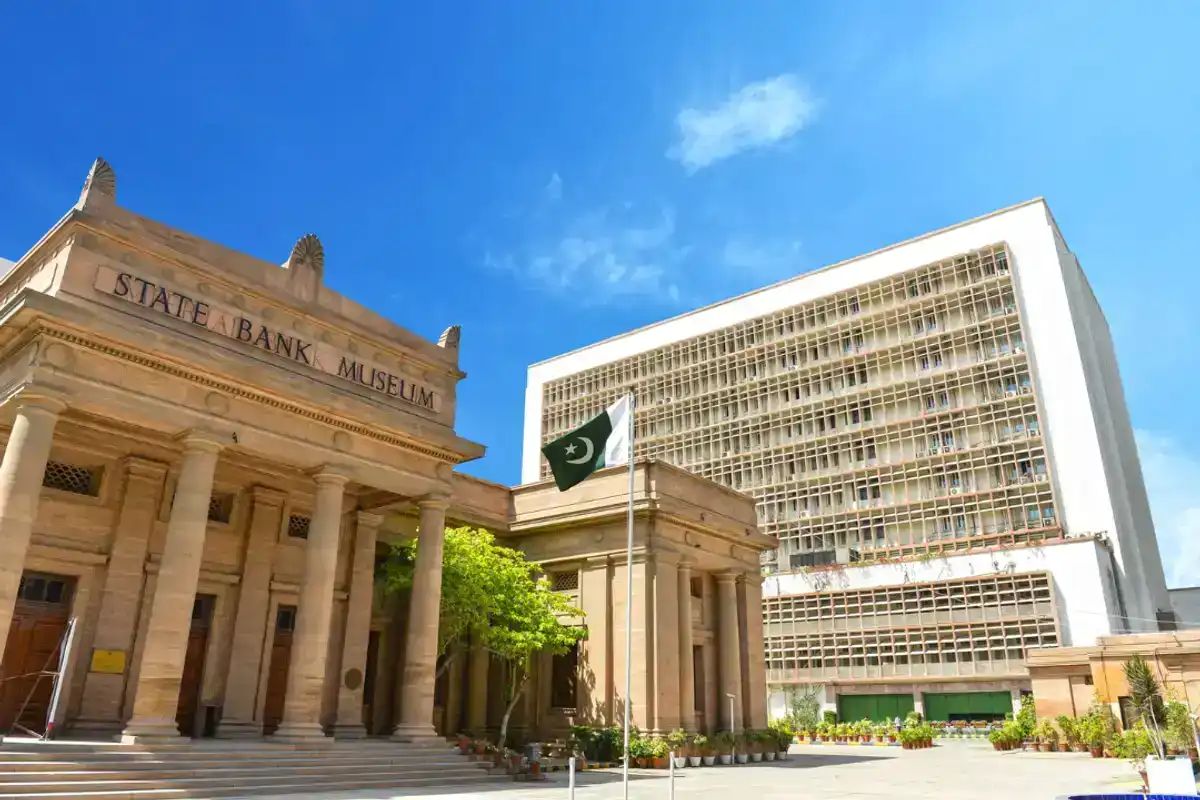
Overseas Pakistanis in Saudi Arabia and the UAE can now invest in sovereign-backed certificates in local currencies, with returns of up to 7.5%
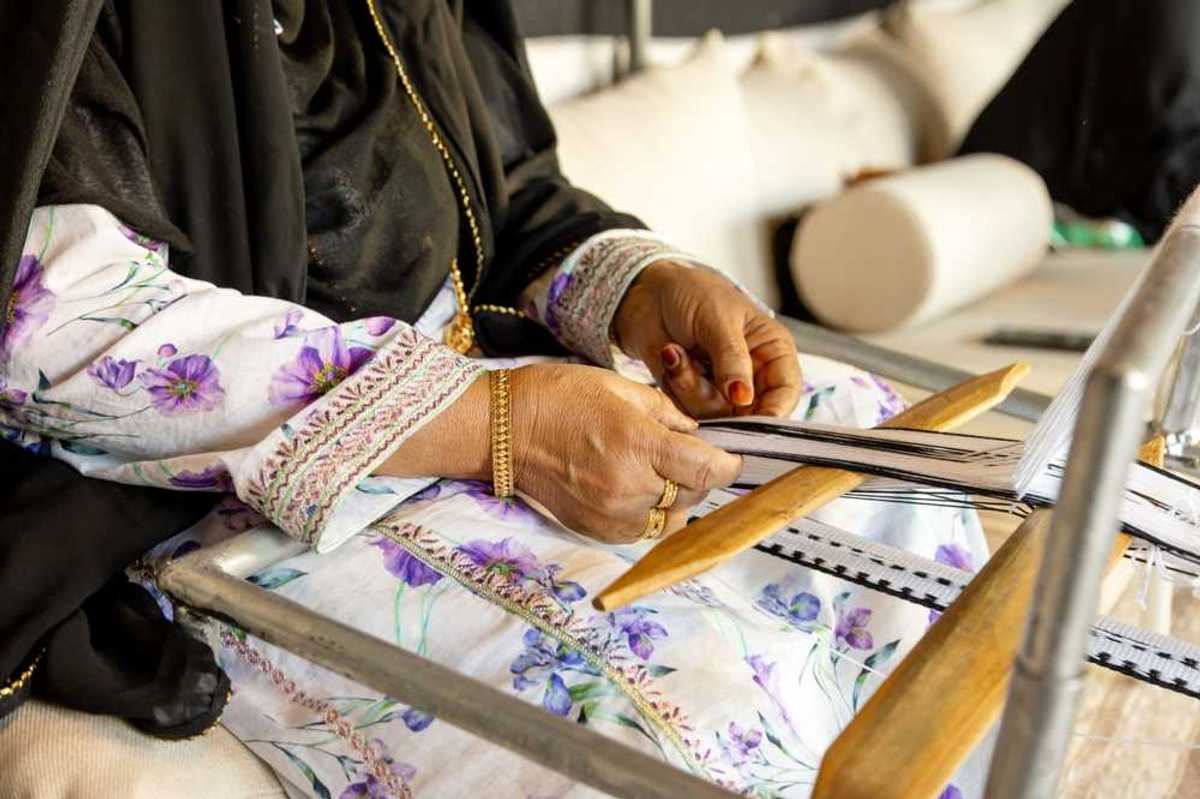
The UAE has launched Naseej, a national initiative targeting 220,000 tons of annual textile waste through recycling, policy reform and circular economy principles.
The United Arab Emirates has launched Naseej, a national initiative to transition the textile sector toward a circular economy, the state-run Emirates News Agency (WAM) reported. Established under the directives of President Sheikh Mohamed bin Zayed Al Nahyan, the initiative brings together the National Projects Office, the Ministry of Economy and Tourism, Emirates Foundation and Tadweer Group.
Naseej is a national platform designed to move the UAE's textile sector away from linear consumption and disposal toward an integrated circular model. It coordinates policy, industry action, research and public engagement across the textile value chain. The initiative targets an estimated 220,000 tonnes of annual textile waste generated in the UAE each year.
Textile waste is a growing challenge globally and within the UAE. WAM reported that annual textile waste volumes in the country are estimated at around 220,000 tonnes, placing pressure on existing waste and recycling systems. Naseej aims to address this through a national framework that strengthens collection and recycling infrastructure, advances research and promotes conscious consumption.
Economy and Tourism Minister Abdulla bin Touq Al Marri said Naseej would link policy, industry action and public participation within a single organised system. He said the initiative would shift textile circularity efforts away from fragmented voluntary activities toward a structured national approach. The goal is to support the UAE Circular Economy Policy 2031.
The initiative is built around five strategic pillars: collection and recycling; awareness and outreach; behavioral research; policies and regulations; and circular business and innovation. Planning for Naseej began during COP28, with support from the National Projects Office within the Presidential Court. It later expanded through memorandums of understanding with fashion brands, manufacturers, recycling operators, research institutions and community organisations.
Sheikha Mariam bint Mohamed bin Zayed Al Nahyan, deputy chairperson of the Presidential Court for National Projects, said Naseej reflects the UAE's commitment to sustainability and aims to encourage responsible resource use and community participation. Sheikh Theyab bin Mohamed bin Zayed Al Nahyan, chairman of the Emirates Foundation, said the initiative embeds circular economy principles within the UAE's sustainable development model. He added that it brings together institutions, industry, youth and communities under one framework.
Naseej will host its first community activation event, "The Fabric of Possibility," from June 5 to 7, 2026, at Yas Mall in Abu Dhabi. The event will invite individuals and families to explore the impact of textile waste and discover sustainable solutions. Future phases are expected to expand the initiative to other regions of the UAE.
Following the launch, Naseej plans to introduce national programs supporting sustainable textile practices, stronger recycling infrastructure and market development research. WAM said the initiative draws on the UAE's heritage of craftsmanship and resourcefulness while integrating circular economy principles into daily practices. The initiative is intended to align government policy, industry participation and community engagement within a single national system.
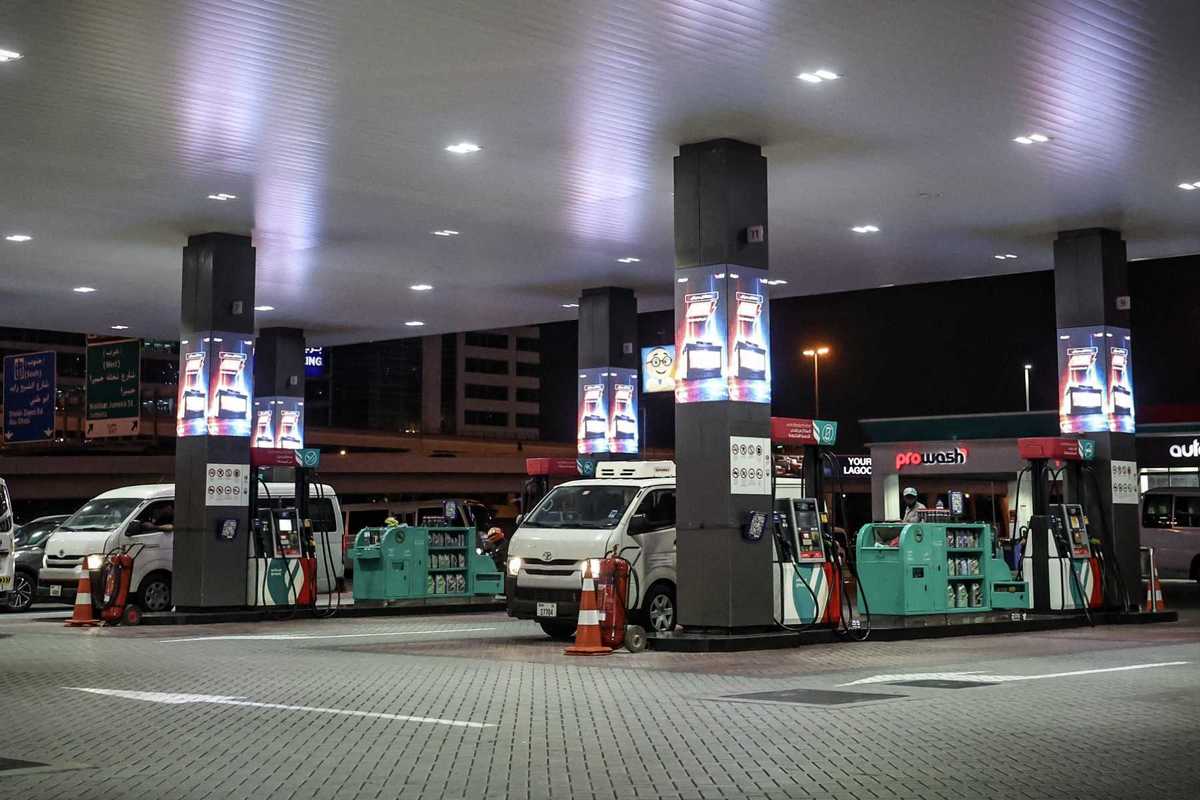
UAE petrol prices for June 2026 rose nearly 8%, with Super 98 hitting Dh3.95/liter, the highest since August 2022
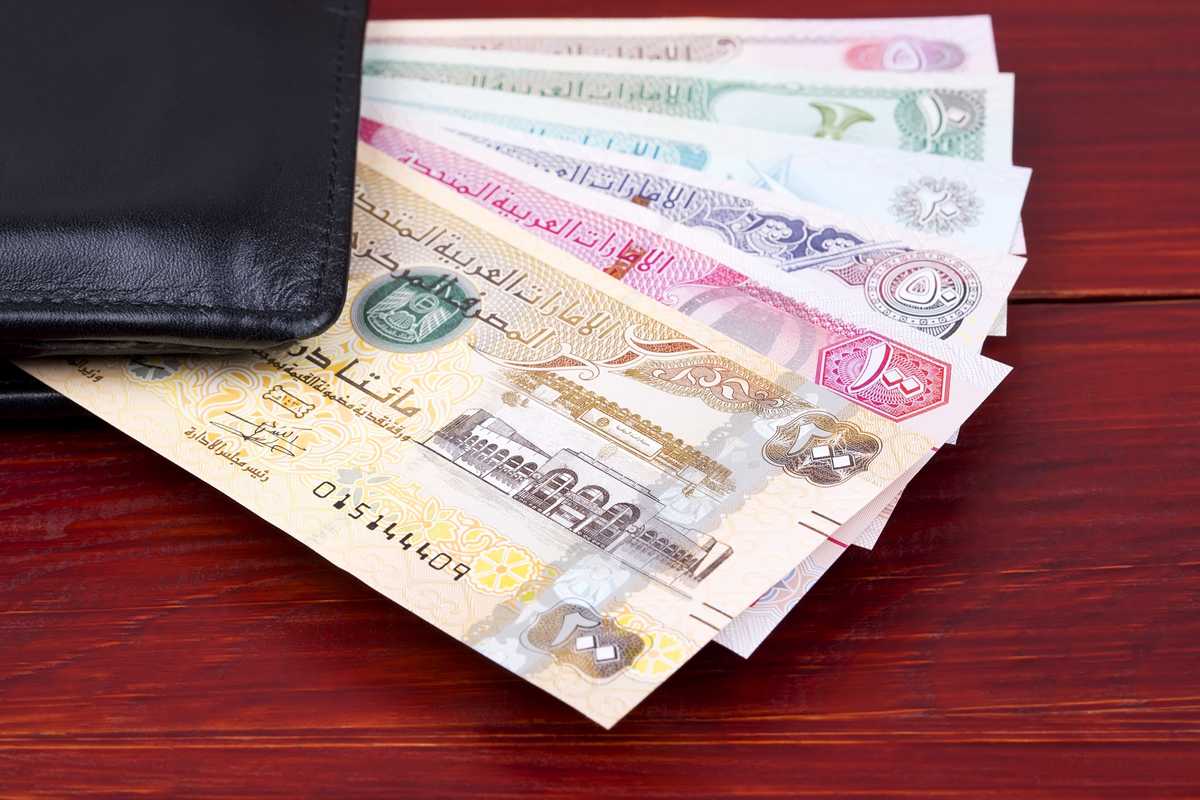
The UAE's Defaulted Debts Settlement Fund has waived AED 834 million in accrued loan interest for 2,339 low-income retirees, ahead of Eid Al Adha.

The UAE's investment minister told AFP its sovereign funds continue deploying capital at home and abroad, pushing back on speculation of cutbacks amid the Middle East war
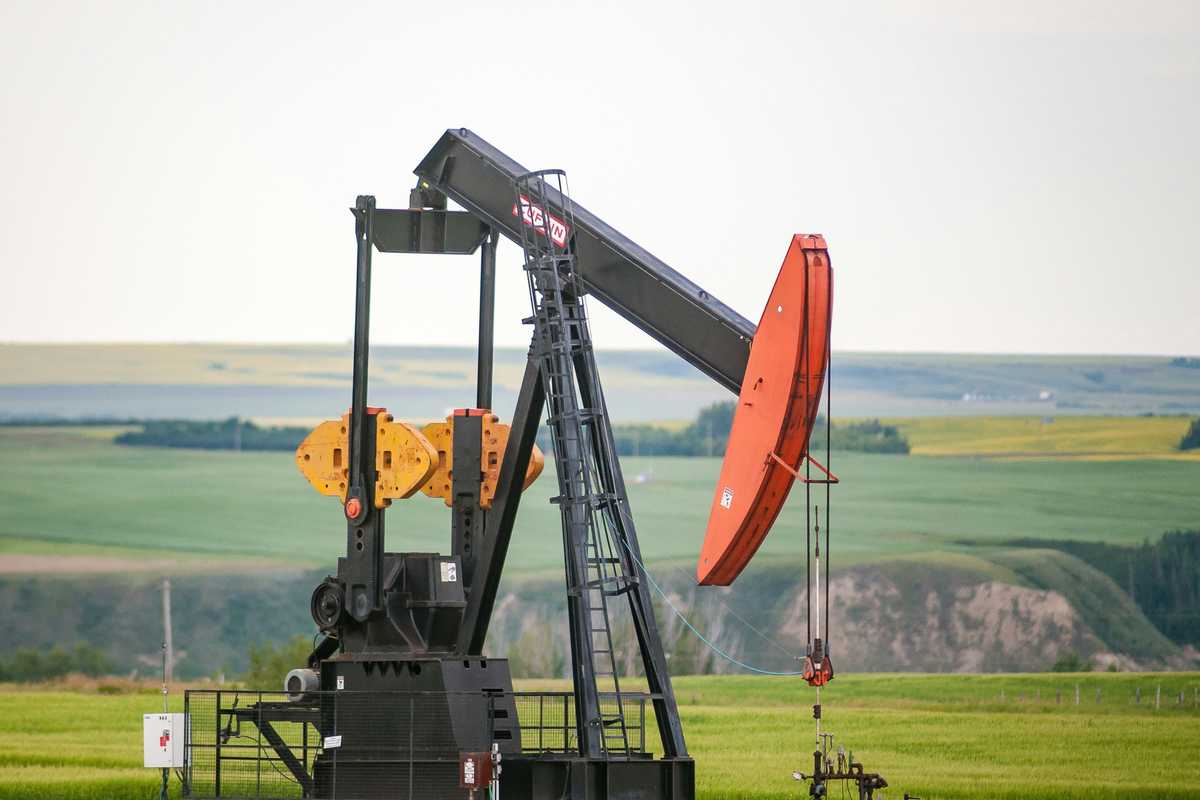
OPEC+ has raised June output quotas by 188,000 bpd, sidestepping the UAE's exit. Here's what the decision means for global oil markets.
Seven OPEC+ members meet Sunday to set oil quotas for the first time since the UAE quit the cartel. Here's what to expect and why it matters
While the United Arab Emirates is not the first country to leave OPEC, it is by far the biggest oil producer to do so
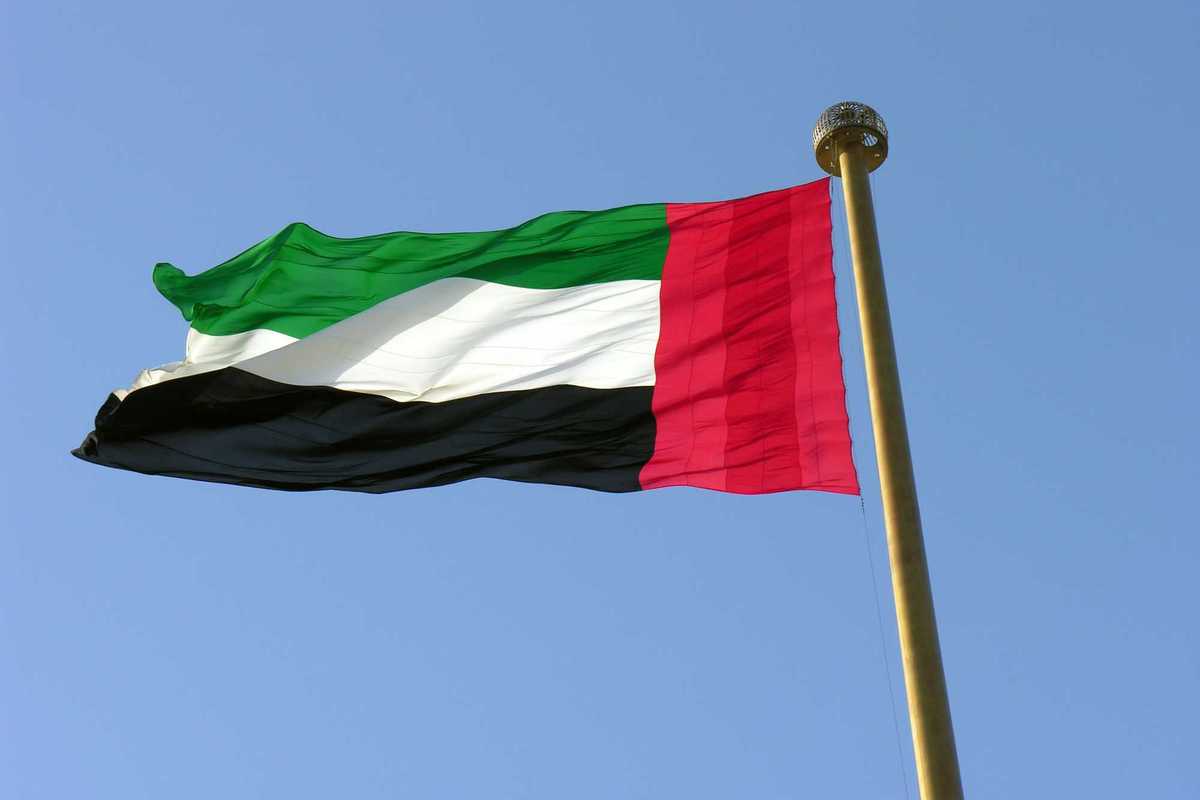
The UAE is quitting OPEC from May 1, 2026. Here's what its exit means for global oil prices and Pakistan's $16 billion import bill
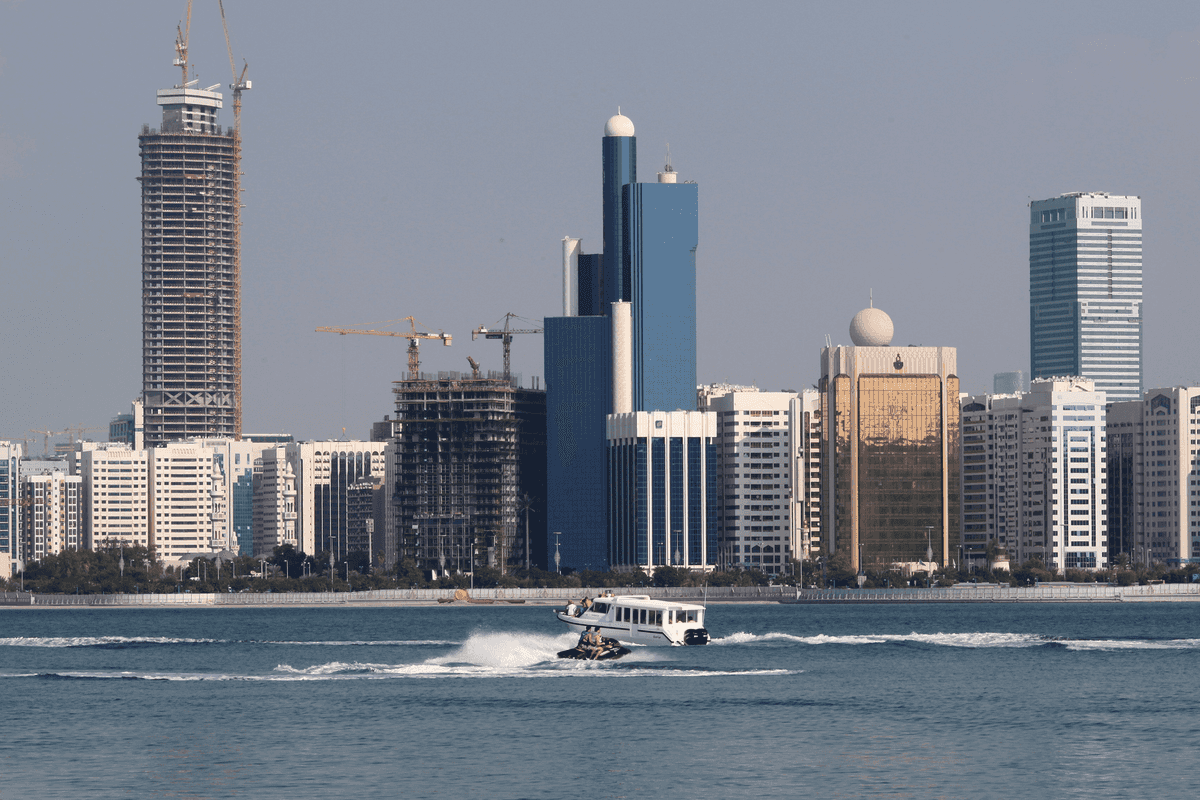
Abu Dhabi's non-oil foreign trade reached AED415.4 billion in 2025, up 36% year-on-year, driven by a 63% surge in exports
