

Pakistan to import 7.2 million cotton bales in FY27 as local output falls
Domestic cotton production is projected at 6.94 million bales against the consumption of 14.15 million

Business Desk
The Business Desk tracks economic trends, market movements, and business developments, offering analysis of both local and global financial news.
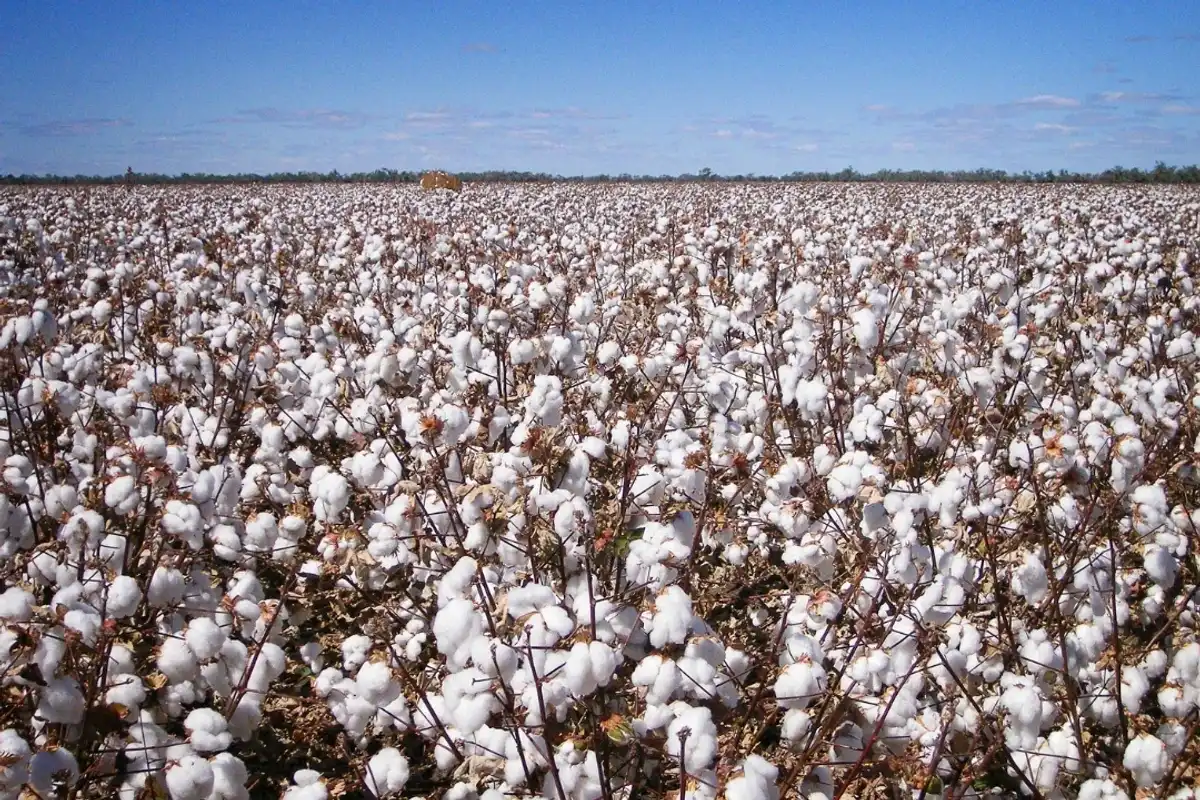
Pakistan's cotton production in 2026 is expected to fall by 272,000 bales from last year
Pakistan's textile industry is expected to import around 7.2 million bales of cotton during the 2026-27 cotton year to meet domestic demand, as local production is projected to fall short of consumption.
According to Cotton Ginners Forum chairman Ehsan ul Haq, the domestic production is projected at 6.94 million bales, while consumption is estimated at 14.15 million bales.
Why is Pakistan's cotton production falling?
Pakistan's cotton production has been on a declining trend for years.
In 2026, the output is expected to fall by 272,000 bales from last year, deepening the country's reliance on global cotton supplies, according to Haq.
He criticized what he described as a record 84% sales tax burden on cotton ginning, which has pushed many ginners and oil mill owners toward undocumented business practices, he said.
The undocumented trade is causing losses to the national exchequer and fueling controversy over Pakistan's cotton production statistics. It is also contributing to a negative international perception of the country's cotton sector.
How is Pakistan's textile sector performing?
Haq said Pakistan's textile industry is facing one of the worst economic crises in its history.
High electricity, gas, financing, and tax costs are among the highest globally, he said.
Leading textile industrialists have urged the government to provide maximum relief in the upcoming budget.
Pakistan Cotton Ginners Association has demanded that the sales tax on cottonseed, cottonseed oil, and oil cake be abolished in the upcoming budget.
Haq said such steps could significantly increase cotton cultivation and reduce Pakistan's annual cotton and edible oil import bill by billions of dollars.
The reforms would also help lower ghee and cooking oil prices for consumers.
Haq said hundreds of billions of rupees allocated to the Benazir Income Support Programme and provincial welfare funds should instead be redirected to industrial revival. This, he argued, could promote business activity, reduce inflation, and create employment.
What are current cotton prices in Pakistan?
Haq added that cotton prices in Pakistan are currently stable with raw cotton trading at PKR 11,500 per 40 kilograms and processed cotton at PKR 22,500 per maund.
He added clearer market trends, either upward or downward, are expected to emerge after Eid al-Adha.





Comments
See what people are discussing