

Pakistan hails Hague tribunal ruling on Indus Waters Treaty as India rejects arbitration
Pakistan welcomed the PCA's supplemental award on the Indus Waters Treaty, saying it limits India's water storage on western rivers. India called the ruling null and void.

News Desk
The News Desk provides timely and factual coverage of national and international events, with an emphasis on accuracy and clarity.
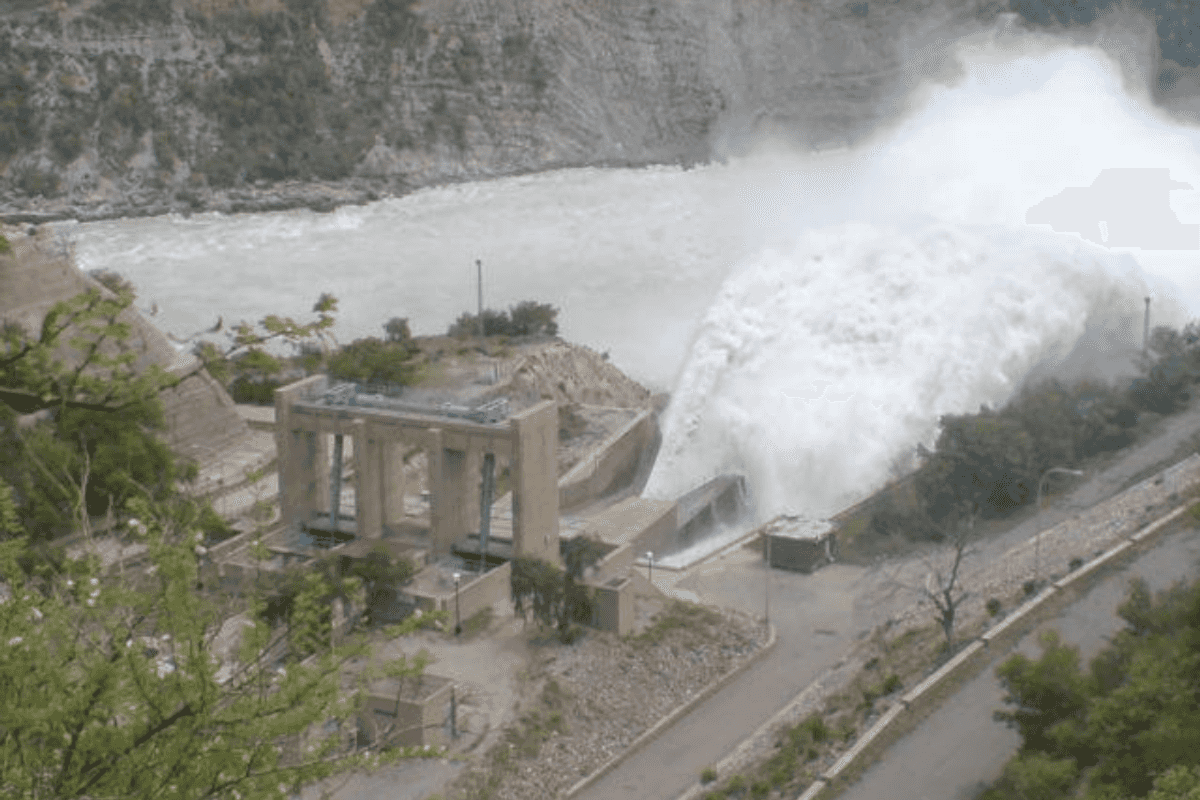
Pakistan on Sunday welcomed a supplemental ruling by the Permanent Court of Arbitration on the Indus Waters Treaty, saying the May 15 decision reinforced limits on India's ability to control water flows on the western rivers of the Indus basin. The ruling focused on disputes over the Ratle and Kishenganga hydroelectric projects. India rejected the tribunal's authority entirely.
What did the Hague court rule on the Indus Waters Treaty?
The tribunal issued a supplemental award clarifying that maximum pondage, the amount of water India can temporarily store in run-of-river hydroelectric projects, must be based on real project needs, actual expected operation, site hydrology, and power-system requirements. The court also reaffirmed that the Indus Waters Treaty is legally binding and cannot be unilaterally suspended by either party without mutual consent.
What is Pakistan's position on the arbitration ruling?
The Pakistani government said the Court of Arbitration's award affirmed its longstanding argument that the treaty places "substantive limits" on India's water-control capability on the western rivers. Islamabad said the ruling built on the court's August 8, 2025 General Issues Award, which held that installed generating capacity and projected electricity demand must be realistic and defensible.
Pakistan also said the ruling strengthened its right to review Indian project data. According to the government, India must provide sufficient technical information to allow treaty compliance assessments to be carried out.
What were the specific findings on maximum pondage?
Pakistan argued that India could not justify larger water storage through what it called "imagined capacity, artificial load curves, unrealistic peaking assumptions, or bare assertions of compliance." The tribunal agreed that pondage calculations must be evidence-based, hydrologically grounded, and compliant with treaty obligations. Pakistan described this as a "strategic consolidation" of its treaty position.
Why did India reject the Hague tribunal's ruling?
India dismissed the proceedings entirely, with Foreign Ministry spokesperson Randhir Jaiswal describing the body as an "illegally constituted so-called Court of Arbitration" and declaring all its rulings null and void. New Delhi's position on keeping the Indus Waters Treaty in abeyance remained unchanged. India has not participated in the arbitration proceedings.
What is the broader context of the Indus Waters Treaty dispute?
The arbitration case was initiated by Pakistan in 2016 over concerns about the design of Indian hydropower projects on rivers allocated to Pakistan under the 1960 World Bank-brokered treaty. Pakistan has repeatedly argued that Indian projects could reduce downstream flows and affect agriculture in the country. Tensions escalated further when India unilaterally declared the treaty suspended following regional militant attacks.
The PCA has previously ruled that exceptions allowing hydroelectric generation under the treaty must strictly conform to treaty requirements, rather than India's interpretation of "ideal" or "best practices" standards. In its earlier 2025 ruling, the tribunal directed India to allow the waters of the western rivers to flow for Pakistan's "unrestricted use."
What do analysts say about India's rejection of the ruling?
Pakistani diplomatic analysts criticized India's position, calling it a violation of international law. Former ambassador Manzoorul Haq said India's stance reflected "disregard for international legal institutions," and drew comparisons to India's earlier dismissal of United Nations Security Council resolutions on Kashmir. Haq warned that any conflict between two nuclear powers over water resources "could have dangerous consequences far beyond the region."




Comments
See what people are discussing