

Putin to visit China May 19-20 after Trump trip
Putin heads to Beijing just days after Trump's China visit, with Xi set to sign a joint declaration reaffirming the Russia-China strategic partnership

Azhar Khan
Producer, Karachi Desk
Azhar Khan is a journalist with over 14 years of experience across print, electronic, and predominantly digital media. He has recently held key editorial roles at leading media organizations.
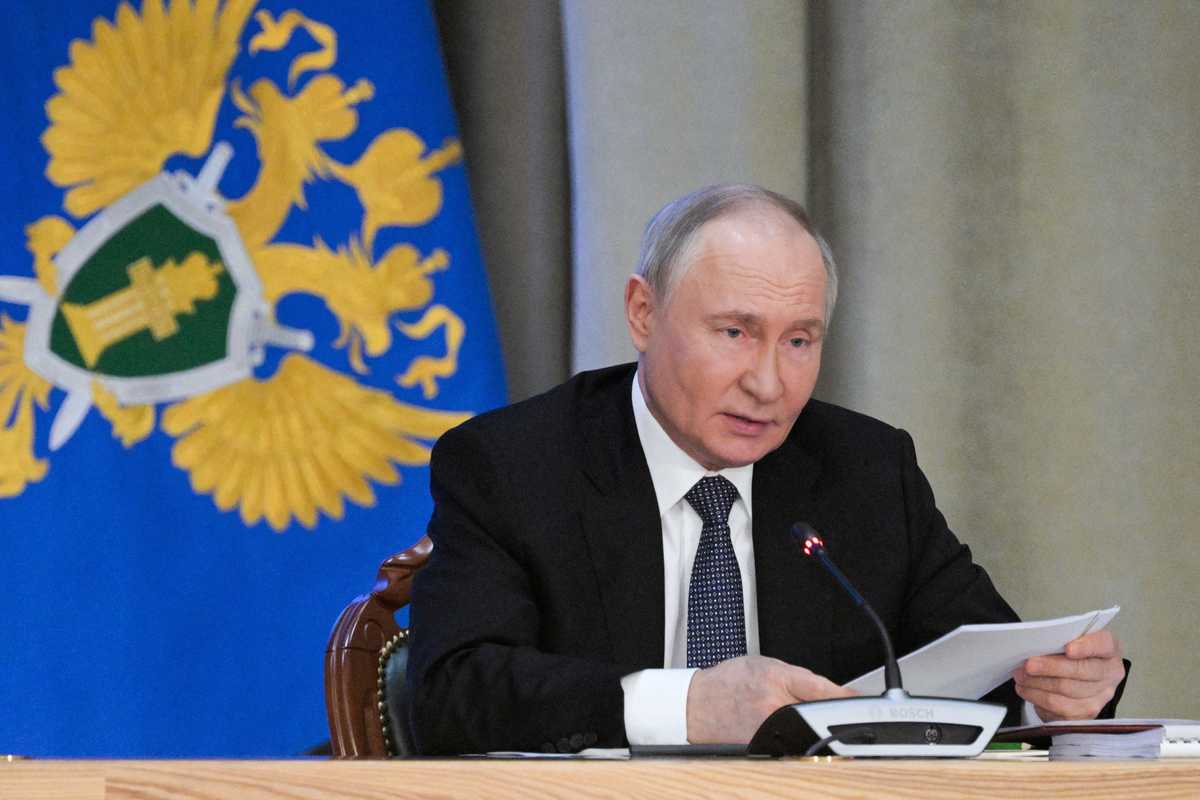
Russian President Vladimir Putin will visit China on May 19-20 for talks with President Xi Jinping, the Kremlin announced on Saturday.
The visit comes days after US President Donald Trump wrapped up his own trip to Beijing, placing China at the center of two major diplomatic engagements in rapid succession. Putin and Xi are expected to sign a joint declaration at the conclusion of their talks.
Why is Putin visiting China after Trump's Beijing trip?
Putin's visit gives Moscow a direct opportunity to receive a briefing on the Trump-Xi discussions and reaffirm the Russia-China strategic partnership.
The two leaders will discuss how to further strengthen their "comprehensive partnership and strategic cooperation," according to the Kremlin. They will also exchange views on key international and regional issues.
What is on the agenda for the Putin-Xi summit?
Beyond the bilateral summit with Xi, Putin is scheduled to meet Chinese Premier Li Qiang to discuss economic and trade cooperation. The two countries are expected to sign a joint declaration at the close of the talks. The Kremlin's announcement did not detail specific topics, but Ukraine, Western sanctions, and trade are likely to feature given the current geopolitical climate.
China has become Moscow's most important economic partner since Western countries imposed sanctions on Russia following its invasion of Ukraine in February 2022.
Beijing is the world's largest buyer of Russian fossil fuels and has continued to deepen trade ties with Moscow throughout the conflict. China denies supplying Russia with weapons or military components, and blames Western arms deliveries to Ukraine for prolonging the war.
What does the back-to-back diplomacy signal about China's position?
China has regularly called for negotiations to end the fighting in Ukraine but has never condemned Russia for launching the invasion. It presents itself as a neutral party in the conflict while maintaining close strategic ties with Moscow.
By hosting the leaders of both the United States and Russia within days of each other, Beijing is reinforcing its position as a central player in global diplomacy at a time of significant geopolitical tension.
Trump's China visit, the first by a US president in nearly a decade, ended on Friday with a grand reception but left a roster of unresolved issues, including trade disputes and disagreements over the Ukraine conflict. Putin's follow-on visit underscores how China is managing relationships with rival powers simultaneously, without fully aligning with either.





Comments
See what people are discussing